In Ayurveda, healing fruits and plants play a significant role. The Amla fruit is particularly popular. Its use in Ayurvedic medicine has been known for many centuries. But what is this fruit all about and which areas of life does it positively affect?
What is the Amla fruit?
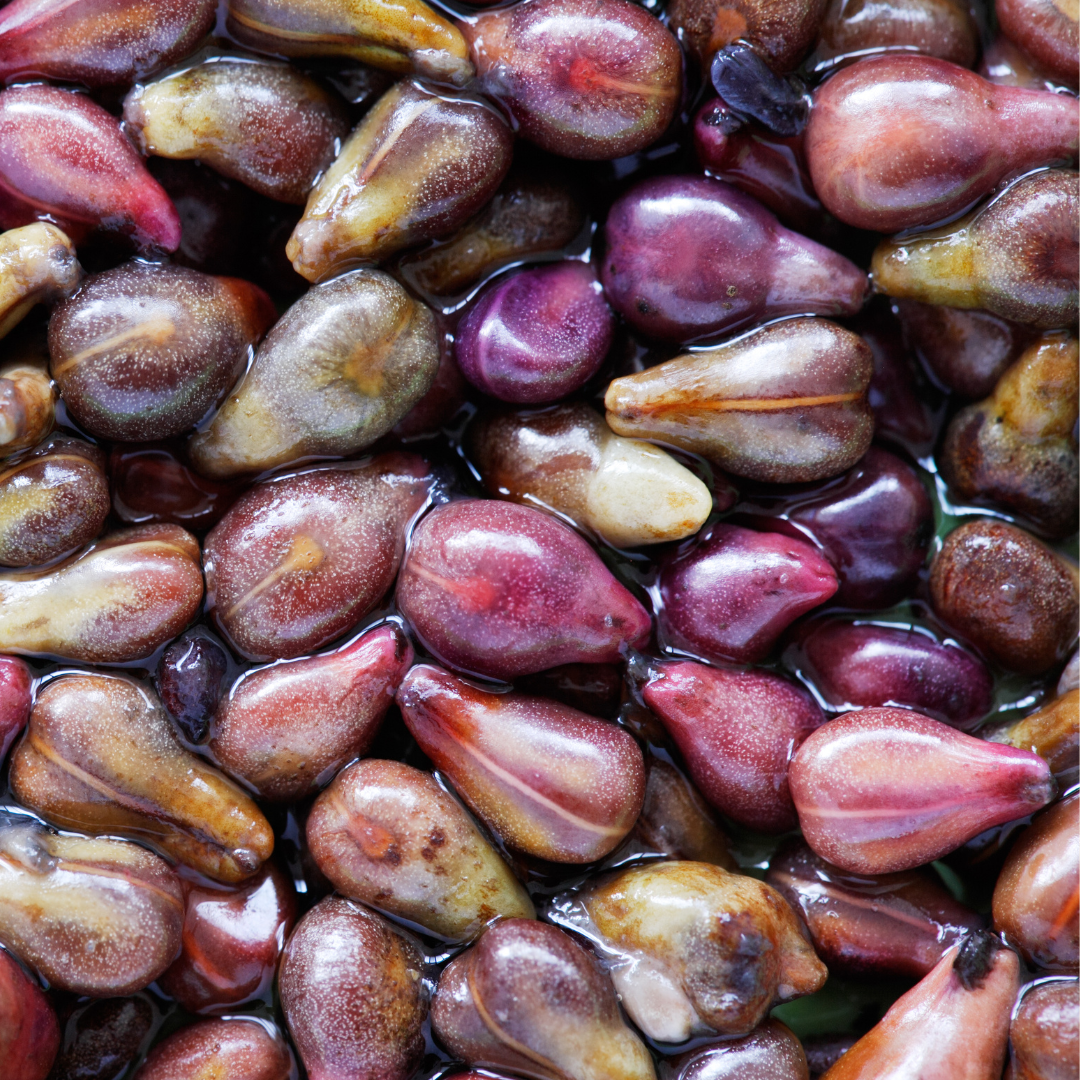
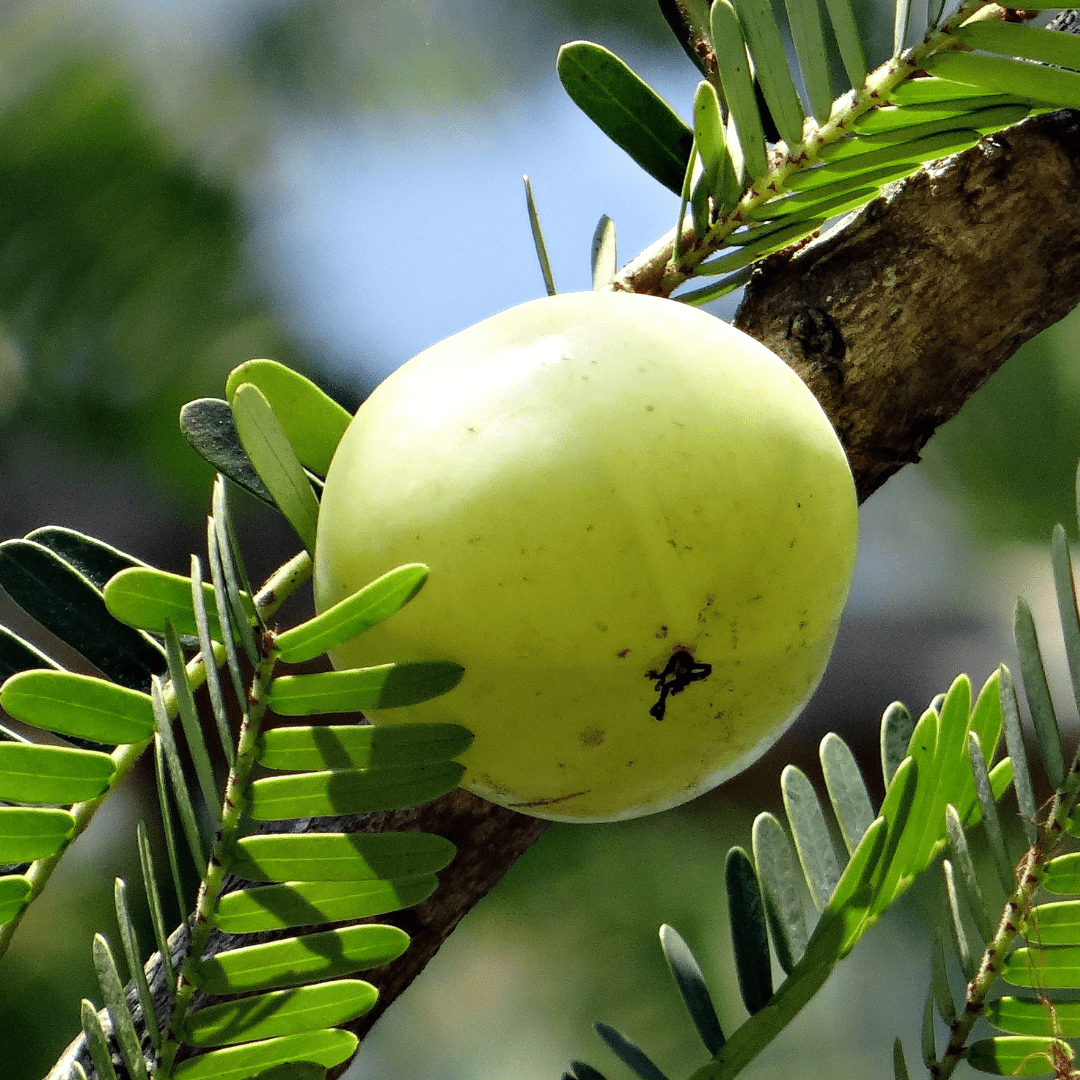
The Amla fruit is also known as the Indian gooseberry and is often referred to as Amalaki. The green berry has been used in alternative medicine for a very long time. This is due in no small part to its healing properties. But not only medicine uses the fruit; it is also seen as a superfood in the kitchen and is gaining increasing recognition.
In Hinduism, the tree that produces the Amla fruit is considered sacred. This is partly because it is believed to have originated from a drop of the gods' elixir of immortality. This is also often referred to as Amrita, which provides insight into the naming of the fruit.
Why is the Amla fruit so healthy?
What makes the Amla fruit so popular in Ayurveda and other areas of life is its strong antioxidant effect. But not only are antioxidants abundant, the fruit is also rich in vitamins and other nutrients. For example, it has a high content of vitamin C, B5 and B6, as well as potassium, manganese and copper. Therefore, it is used in many different areas – the list is long. We will introduce you to some of its most important effects.
The fruit as an anti-aging agent
Antioxidants and vitamin C play an important role in anti-aging. The Amla fruit is therefore able to protect cells from free radicals and thus slow down the natural aging process of the skin. The result: the breakdown of collagen is prevented, which leads to firmer skin.
Heart and liver health
Antioxidants not only help improve skin, but also support the heart and liver. These important organs should be protected at all costs, after all, they are responsible for numerous vital processes in the body.
The antioxidants contained in the Amla fruit promote blood circulation and lower blood pressure. High blood pressure is not a harmless disease, as it can result in strokes and heart attacks. Thus, the fruit can be taken preventatively.
In addition, it protects the liver from oxidative stress. Such stress can arise, for example, from alcohol consumption, which is why the Ayurvedic berry should not be foregone, especially during social gatherings or parties. This is also why vedi up relies on the popular superfood. Simply taken on the respective evening, it can alleviate the negative effects of alcohol.
More balance through the Amla fruit
Mood swings, hot flashes and other negative effects – many women suffer from a hormonal imbalance. Here too, the Amla fruit can help. The berry has long been used particularly in women's medicine to alleviate specific complaints stemming from hormonal balance.
Support for diabetes
Of course, the Amla fruit does not replace therapy prescribed by a doctor. However, it has been found to have a positive effect on diabetics. The fruit is able to lower blood sugar levels and is therefore very popular as a complementary treatment.
By the way: the superfood can also lower cholesterol levels!
FAQ – Frequently asked questions about the Amla fruit
How do you consume the Amla fruit?
The superfood is mainly available in dried form. But fresh fruits can also be bought. Nutritional supplements are also popular.
What should I consider when taking the Amla fruit?
If it is not an already dosed nutritional supplement, you should be careful not to consume too much of the active ingredients. In large quantities, the fruit can have a laxative effect.
What does the Amla fruit taste like?
The Amla fruit is one of the few fruits that manages to cover five of the six tastes of Ayurveda: sweet, pungent, sour, bitter, and astringent.