
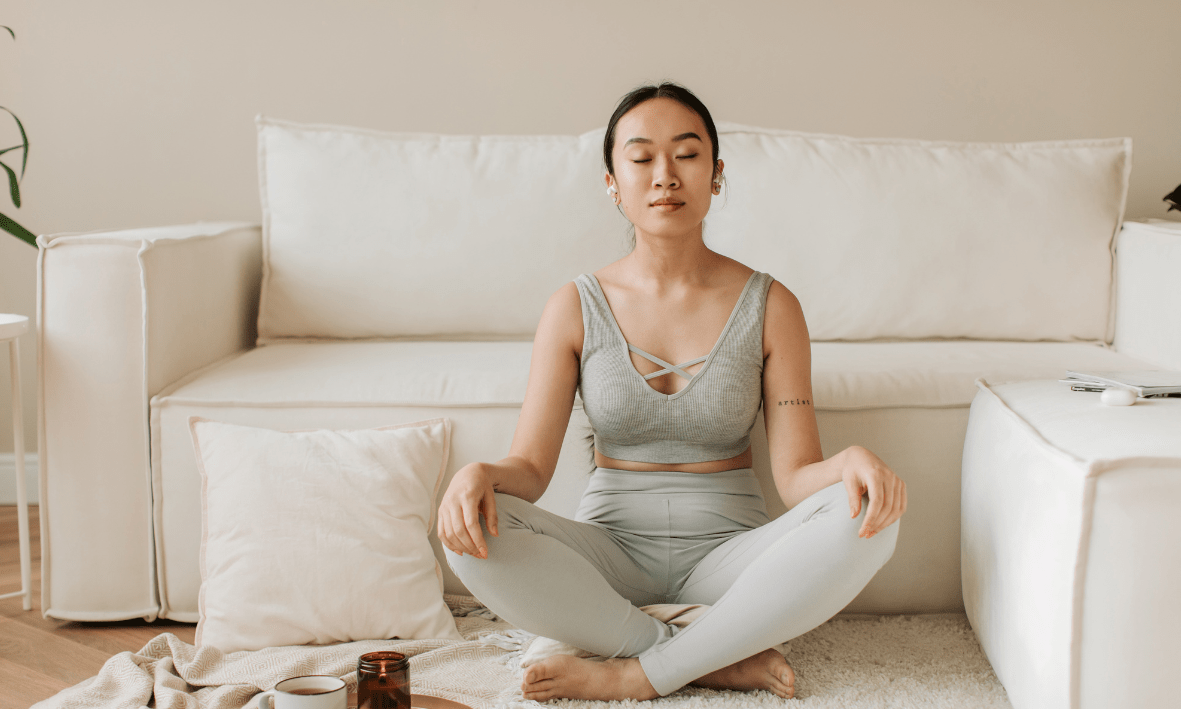
Meditation is an ancient practice with origins in Asian spiritual traditions, particularly Hinduism and Buddhism. It serves to calm the mind and establish a deeper connection with oneself and the environment. Originally, meditation was a means to attain spiritual enlightenment, but today it is practiced worldwide to improve overall well-being.
The Positive Effects of Meditation
The positive effects of meditation are now scientifically well-documented. They range from mental and emotional well-being to physical benefits. Meditation helps to reduce stress by promoting focus on the here and now. Studies show that regular meditation practice lowers cortisol levels—the hormone responsible for stress. It also improves sleep, enhances concentration, and promotes overall emotional balance. For many people, meditation also offers a way to better cope with chronic pain or boost their creativity. In the long term, meditation can help find deep inner peace and more serenity in everyday life.
How to Meditate and First Steps for Beginners
Getting started with meditation practice is surprisingly uncomplicated. For beginners, it's important to start with a comfortable sitting position – you don't have to sit in the classic lotus pose, but can sit on a chair or the floor, as long as your back is straight. The initial focus is on breathing: direct your attention to your breath as it flows in and out. When thoughts arise, let them go without judgment and gently return to your breath. For beginners, it's advisable to start with 5- to 10-minute sessions and gradually extend them.

To begin meditating, find a quiet, pleasant place free from distractions. This could be a room in your home or a peaceful spot in nature. It's important that you feel comfortable and safe so you can fully engage in the practice. Breathing techniques like consciously observing your breath or counting breaths are simple and effective methods to calm the mind and improve concentration.
Techniques for Beginners and Integration into Daily Life
There are various meditation methods suitable for beginners. One of the simplest is breath meditation, where you focus entirely on your breath. Another popular method is counting breaths, which helps to focus the mind. Over time, you can also try guided meditations that provide step-by-step instructions.
The challenge for many beginners is to make meditation a fixed routine in everyday life. A good tip is to establish fixed times for practice – for example, in the morning after waking up or in the evening before going to sleep. Additionally, short meditation sessions of 5 minutes help to gradually build the habit. Modern tools like apps and podcasts also offer support and can help you integrate meditation into your busy daily schedule.
Challenges and How to Overcome Them
For many meditation beginners, distractions represent a significant challenge. Thoughts that arise during meditation should not be seen as a failure, but as part of the process. A helpful technique is to acknowledge these thoughts without judging them, and gently redirect focus back to the breath.
Another common mistake for beginners is to have too high expectations for rapid progress. Meditation is an exercise in patience and requires regular practice to achieve long-term effects. Set small, achievable goals and celebrate your progress, even if it seems minor at first.
Deepening the Practice and Advanced Techniques
Once you feel more confident in your practice, you can start experimenting with different meditation styles. Guided meditations or longer meditation retreats offer the opportunity to delve deeper into the practice and discover new aspects of mindfulness. Advanced techniques such as visualization or mantra meditation are exciting options to expand your practice and deepen your connection to meditation. Exchanging experiences with other meditators or finding a meditation community can also provide valuable support.
Support for Body and Mind with vedi up

In addition to regular meditation practice, proper body support plays a central role in your well-being. This is where vedi up comes in. With its powerful blend of Ayurvedic plant extracts, vedi up promotes your physical balance and helps you reduce stress – perfect for complementing the calming effects of meditation. Whether after an intense meditation session or a stressful day, vedi up helps you calm down and return to everyday life strengthened.