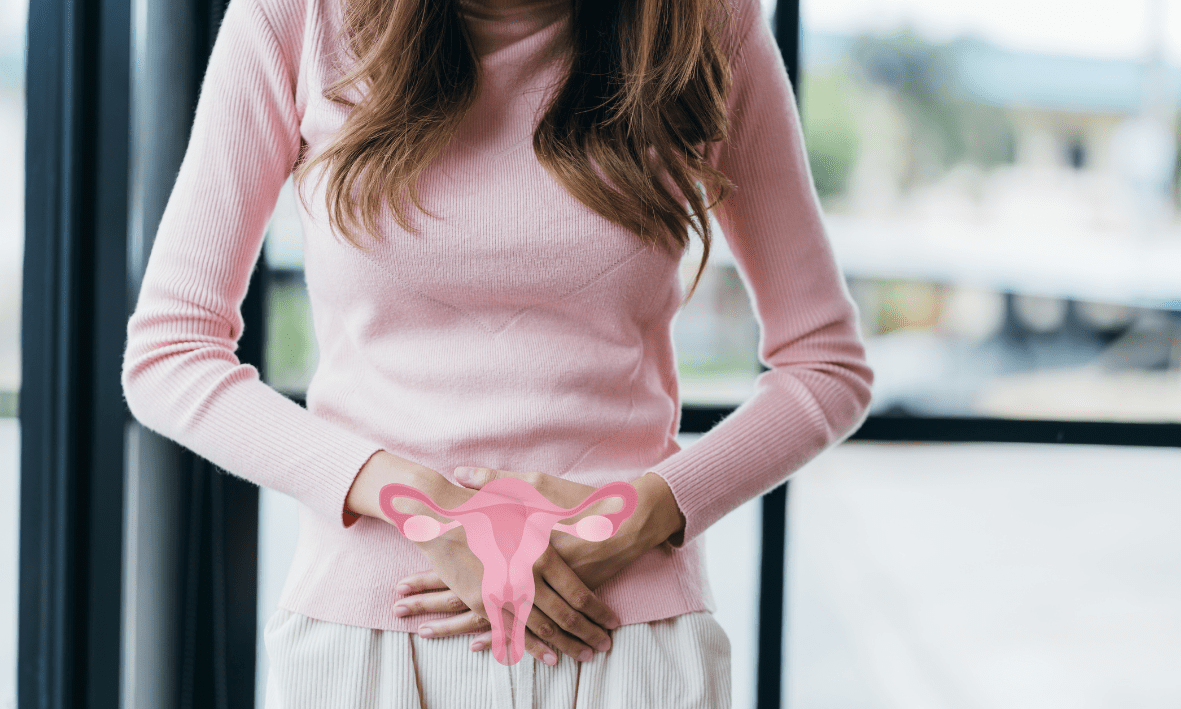
PCOS diet is not a foreign concept to you, right? Anyone who has ever been confronted with Polycystic Ovary Syndrome, or PCOS, knows how crucial the right nutrition is. In the following article, we want to delve deeply into this topic. What does PCOS actually mean for your diet? How can targeted dietary recommendations help alleviate symptoms? And what about popular myths surrounding PCOS nutrition?
In this article, you will find answers to questions such as "What should you eat with PCOS?" and "What foods are not good for PCOS?". We will also explore dietary strategies, provide advice on weight management, and report on the potential of supplements and herbs. Finally, we will give you everyday tips to successfully implement a PCOS-friendly diet. Let's set the course for a healthy lifestyle despite PCOS!
What should you eat with PCOS?

With PCOS, it's important to focus on foods that stabilize insulin levels, inhibit inflammation, and balance hormones. The best foods are:
Vegetables: Green leafy vegetables like spinach, kale, broccoli, and zucchini are rich in fiber, antioxidants, and vitamins. They help keep blood sugar levels stable and fight inflammation.
Proteins: Lean meats like chicken, turkey, fish, and plant-based proteins (lentils, beans, quinoa) are important building blocks of a healthy diet. They support muscle building and help curb appetite.
Healthy Fats: Omega-3-rich foods like fatty fish (salmon, mackerel), avocados, and olive oil have anti-inflammatory properties and promote heart health. They can also help improve insulin sensitivity.
Whole Grains: Instead of refined carbohydrates like white bread and pasta, you should choose whole grains like oatmeal, quinoa, and brown rice. These foods have a low glycemic index (GI), meaning they cause blood sugar to rise slowly.
Low-Sugar Fruits: Berries (raspberries, blueberries), apples, and pears are rich in vitamins and antioxidants but low in sugar. They are ideal for satisfying sweet cravings without negatively affecting insulin levels.
Nuts and Seeds: Almonds, walnuts, and flaxseeds are an excellent source of healthy fats, fiber, and protein. They contribute to improving blood lipid levels and hormone balance.
Spices and Herbs: Cinnamon has been shown to support blood sugar regulation. Turmeric has anti-inflammatory effects and can be a valuable addition to your daily diet.
What foods should be avoided with PCOS?

There are certain foods that negatively affect hormone balance and insulin levels and should therefore be avoided with PCOS:
Sugar and sugary products: Sweets, pastries, sodas, and fruit juices cause blood sugar levels to spike and exacerbate insulin resistance. They also promote inflammation in the body.
Refined Carbohydrates: White bread, white pasta, and white rice are quickly digested and cause blood sugar levels to rise sharply, which promotes cravings and worsens insulin sensitivity.
Fried and processed foods: Chips, fries, fast food, and industrially produced snacks contain trans fats and harmful additives that can promote inflammation and disrupt hormonal balance.
Dairy products: Some women with PCOS are sensitive to dairy products, as they can increase the production of insulin and androgens. It may be helpful to reduce milk and cheese or switch to plant-based alternatives (almond, oat milk).
Excessive caffeine consumption: Large amounts of coffee can affect blood sugar levels and disrupt hormone balance. Try to reduce caffeinated beverages and opt for herbal teas instead.
Weight Management with PCOS – What helps with weight loss?
Effective weight management can significantly improve the symptoms of PCOS. Here are some tips that can help you lose weight:
Regular Meals: Make sure your meals are balanced, with a combination of proteins, healthy fats, and complex carbohydrates. This keeps blood sugar levels stable and reduces cravings.
Calorie Awareness: While it's not necessary to meticulously count calories, it can be helpful to develop a sense of portion sizes. Fill your plate mainly with vegetables and supplement it with healthy fats and proteins.
Exercise: Regular physical activity not only helps with weight loss but also improves insulin sensitivity. Strength training and moderate endurance exercises are particularly effective.
Supplements and Herbs as Support for PCOS
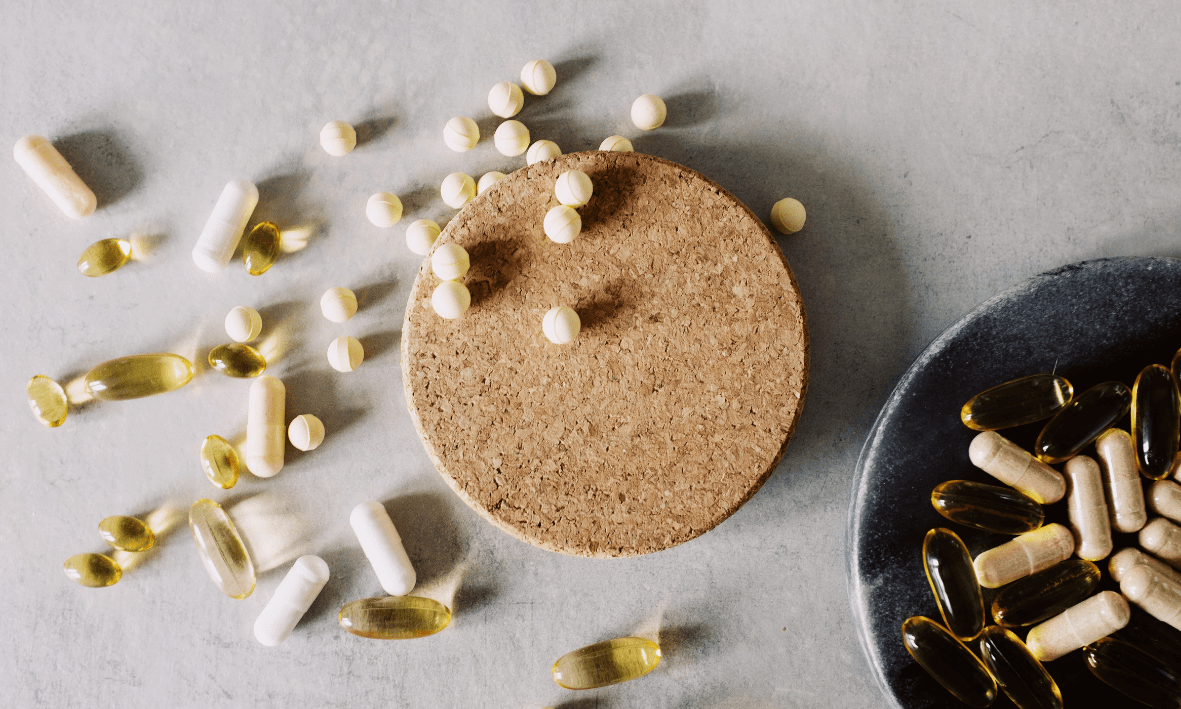
Certain supplements can help alleviate PCOS symptoms:
Myo-Inositol: Supports insulin regulation and can stabilize the cycle.
Omega-3 Fatty Acids: Reduce inflammation and support the cardiovascular system.
Vitamin D: A deficiency in vitamin D is often associated with a worsening of insulin resistance and PCOS symptoms. Supplementation can help here.
Cinnamon: Can positively influence blood sugar levels and improve insulin sensitivity.
Herbs like Spearmint tea can also be supportive by helping to lower androgen levels and correct hormonal imbalances.
Everyday tips for implementing a PCOS-friendly diet
- Meal prepping: Plan your meals in advance to make healthy choices easier.
- Fresh foods: Avoid processed products and cook as much as possible with fresh ingredients.
- Exercise: Regular training not only helps with weight loss but also promotes hormonal balance.
Natural Support for Menopause: vedi meno as Your Companion

In addition to proper nutrition, targeted support for your body also plays a significant role – especially during menopause. This is where vedi meno comes in. This Ayurvedic balance capsule helps to balance hormonal fluctuations during menopause and enhance your well-being. With natural plant extracts such as evening primrose oil and wild yam, vedi meno offers powerful support for more balance and energy during this special phase of life. Your ideal companion for a strong and healthy mid-life!