



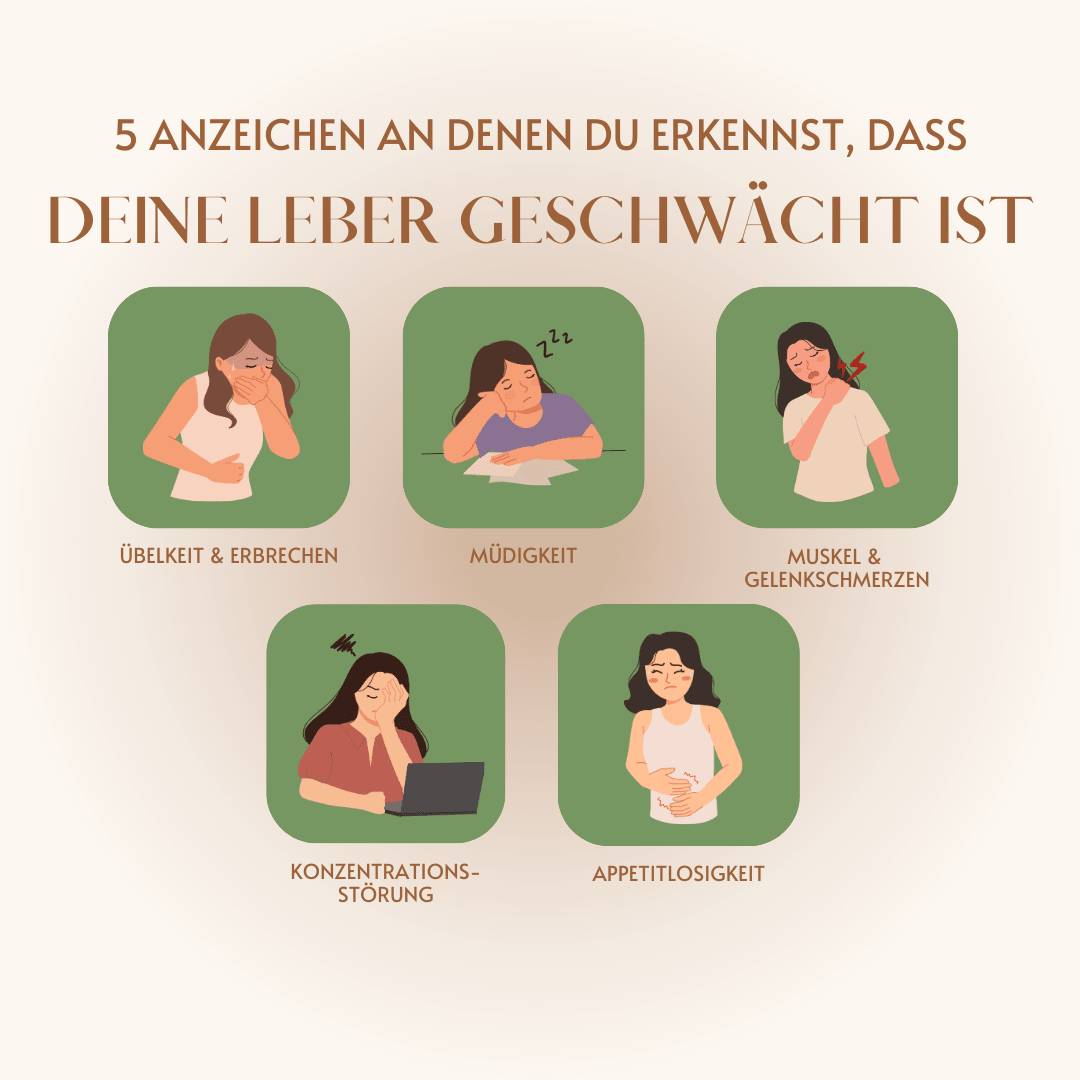

Our liver is a vital organ that is often overlooked but plays a crucial role in our health. It is our body's own detoxification mechanism and participates in numerous metabolic processes. When the liver is weakened, it can cause serious health problems. In this blog post, we will discuss five common signs of a weakened liver and explain why the liver is so important for our health.
The Role of the Liver in Our Body
Before we turn to the signs of a weakened liver, it is important to understand the crucial role the liver plays in our body. The liver is the largest internal organ and performs several vital functions:
1. Metabolic Regulation
The liver plays a central role in metabolism. It regulates blood sugar levels by storing glucose and releasing it when needed. In addition, it produces cholesterol and certain proteins that are important for blood clotting and the transport of nutrients in the body.
2. Detoxification
The liver is our main organ for detoxification. It helps to remove toxins and waste products from the blood. Harmful substances are converted into non-toxic ones and then excreted via the bile or kidneys.
3. Production of Bile
The liver produces bile, which is essential for the digestion of fats in the intestine. Without sufficient bile production, fat absorption can be impaired.
4. Storage of Nutrients
Our liver stores important nutrients such as vitamins and minerals. These can be released as needed to provide the body with energy.
5 Signs of a Weakened Liver
Now that we understand the importance of the liver for our body, let's take a closer look at the five most common signs of a weakened liver:
1. Fatigue
Constant fatigue and exhaustion can be a sign of a weakened liver. Since the liver plays a crucial role in energy metabolism, its impairment can lead to a lack of energy.
2. Nausea and Vomiting
A weakened liver can lead to nausea and vomiting, especially after eating fatty meals. This is because the liver may have difficulty producing enough bile to aid digestion.
3. Muscle and Joint Pain
Liver problems can lead to muscle and joint pain. This is often due to an accumulation of toxins in the body, which can cause inflammation and pain.
4. Concentration Problems
The liver plays a role in detoxifying the brain. If the liver is weakened, toxins can accumulate in the brain and cause concentration problems, memory lapses, and confusion.
5. Loss of Appetite
A weakened liver can affect appetite. People with liver problems often lose the taste of food and have a general feeling of loss of appetite.
Factors That Can Lead to a Weakened Liver

Now that we have understood the signs of a weakened liver, let's look at some of the factors that can cause the liver to be weakened:
1. Toxins such as Alcohol and Medications
Excessive alcohol consumption and the use of certain medications can damage the liver and lead to a weakened liver.
2. Metabolic Diseases
Metabolic diseases such as fatty liver disease, diabetes, and genetic disorders can impair liver function.
3. Overweight
Overweight and obesity can lead to fatty liver disease, which stresses the liver and can impair its function.
4. Autoimmune Diseases
Autoimmune diseases such as autoimmune hepatitis can cause the immune system to attack and damage liver cells.
5. Viral Infections
Certain viral infections such as hepatitis B and C can infect the liver and impair its function.
6. Inadequate Nutrition
An unbalanced diet that is poor in essential nutrients can impair liver health.
7. Environmental Toxins
Exposure to environmental toxins and pollutants can stress the liver and lead to its weakening.
Conclusion
Our liver is a remarkable organ that plays a key role in our health. The signs of a weakened liver, including fatigue, nausea, muscle and joint pain, concentration problems, and loss of appetite, should be taken seriously. It is important to protect liver health by avoiding excessive alcohol consumption, maintaining a balanced diet, and paying attention to potential risk factors such as overweight and viral infections. Liver health is crucial for a long and healthy life.
Questions and Answers on Liver Health:
What role does the liver play in detoxifying the body?
The liver is the main organ for detoxifying the body. It filters harmful substances from the blood, converts them into non-toxic compounds, and excretes them via the bile or kidneys.
How can I improve my liver health?
You can improve your liver health by drinking alcohol in moderation, maintaining a balanced diet, exercising regularly, and controlling potential risk factors such as being overweight.
What foods are good for the liver?
Foods such as green leafy vegetables, turmeric, ginger, garlic, and citrus fruits can support liver health due to their antioxidant and anti-inflammatory properties.
What blood tests can indicate liver problems?
Blood tests such as liver function tests (ALT, AST, bilirubin) and the measurement of the liver enzyme GGT can indicate liver problems and are important diagnostic tools.
What role does the liver play in digestion?
The liver plays an important role in digestion by producing bile, which emulsifies fats in the intestine and aids digestion.