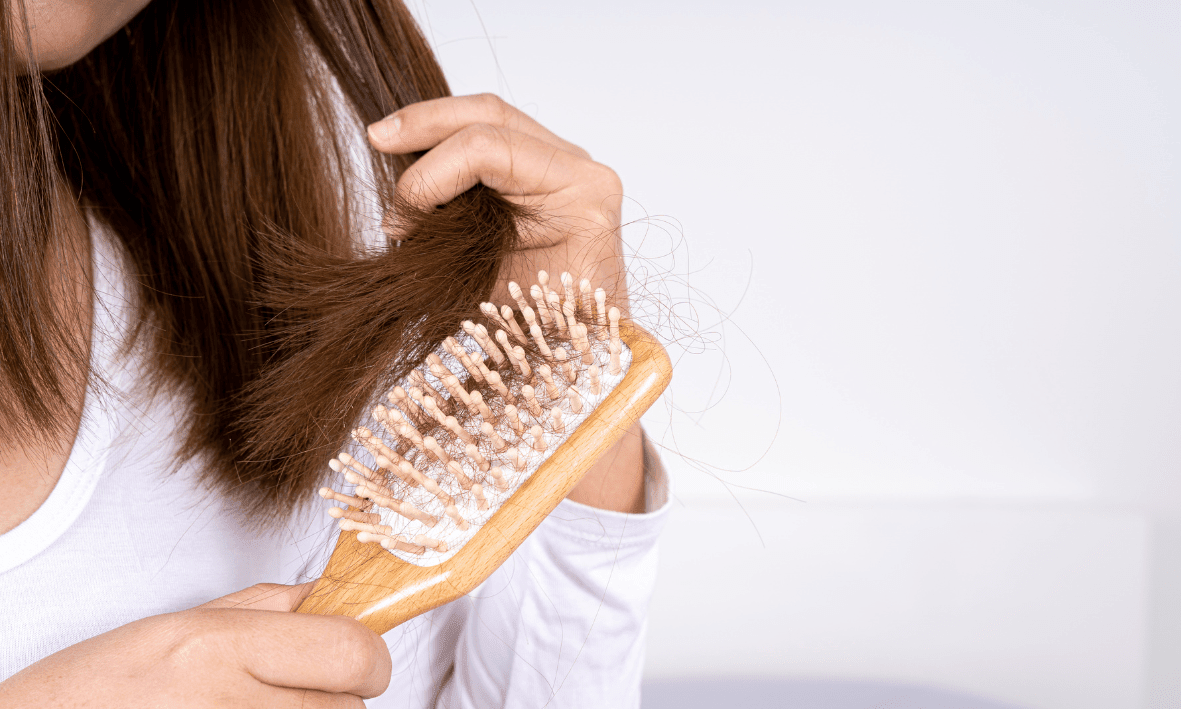
For many women, menopause brings a range of physical changes, and hair loss can be one of them. This phase of life represents an enormous hormonal shift for the body, which can affect both well-being and outward appearance. Many women are surprised and concerned when they notice their hair suddenly thinning or falling out excessively. But don't worry – hair loss during menopause is a common phenomenon that is usually temporary and can be effectively treated.
In this article, we'll explore the causes of hair loss during menopause and provide comprehensive tips on how to address the problem effectively. We'll take a close look at hormonal changes and show the role nutrition, special care products, and medical approaches play. Our goal is to offer you an understandable and comprehensive overview that helps you strengthen and protect your hair during this special phase of life.
Causes of Hair Loss During Menopause
During menopause, hormone production in the body changes significantly. The declining estrogen levels lead to a stronger influence of androgens (male hormones). These hormones affect hair follicles and can cause hair to thin or fall out excessively. Genetic predisposition, nutrient deficiencies, and stress can also play a role during this phase and intensify hair loss.

For many women, it is helpful to understand that hair loss is not necessarily a sign of poor health, but often a natural reaction of the body to hormonal changes. Small lifestyle adjustments and targeted measures can be helpful to support hair.
How Long Does Hair Loss Last During Menopause?
The period during which women experience hair loss can vary greatly and depends on individual factors. Some women notice changes for only a few months, while others struggle with thinning hair for over a year. The degree and duration of hair loss often also depend on general health, nutrition, and stress management. Patience is important during this phase – in most cases, hair growth stabilizes on its own after the hormonal transition.
Treatment Methods for Hair Loss
To alleviate hair loss during menopause, there are various options you can combine depending on the cause and personal preference:
- Natural Remedies: Care products based on gentle and natural ingredients can support hair without irritating the scalp. Herbal supplements like biotin or zinc have proven helpful as they can promote hair growth.
- Nutrition and Supplements: A balanced diet is essential for hair health. Foods rich in iron, zinc, and vitamins (especially B vitamins) supply hair follicles with important nutrients. In some cases, targeted supplementation may be useful, especially if deficiencies are identified.
- Medical Treatment and Hormone Replacement Therapy: In cases where hair loss is severe, medical treatment may be considered. Under medical supervision, hormonal preparations and medications are available that can reduce hair loss. However, these therapeutic approaches are not suitable for all women and should be carefully weighed.
Hair Density Recovery After Menopause
Many women wonder if their hair will return to its usual fullness after menopause. The good news is that hair growth stabilizes for many women after the hormonal transition. However, it can take some time for the hair follicles to return to their normal cycle. A healthy lifestyle, balanced diet, and regular care contribute to strengthening hair after this phase.
Preventive Measures and Tips
Prevention is the key to hair health. Even if hormonal changes cannot be entirely prevented, some measures can help to reduce hair loss or strengthen hair:
- Gentle Care: Avoid aggressive hair care products and opt for gentle shampoos without sulfates and parabens. Frequent heat styling and chemical treatments such as coloring or bleaching should also be reduced.
- Stress Reduction: Stress can negatively affect hair growth. Practices such as yoga, meditation, or regular walks help to reduce stress and improve well-being.
- Balanced Diet: Pay attention to a diet rich in nutrients such as iron, zinc, and B vitamins. These help to strengthen hair from within and nourish the follicles.
vedi meno: Natural Support for Your Hormonal Balance

For all those seeking gentle support during menopause, vedi meno offers an ideal solution. This specially formulated capsule combines six bioactive plant extracts, including chasteberry and wild yam, to support the body during this particular phase of life. By harmonizing hormonal balance, vedi meno can help alleviate discomforts such as hair loss and generally strengthen your well-being. Treat yourself and your body to the natural power of Ayurveda – and gently and specifically support your hair growth through this phase.
Conclusion
Hair loss during menopause is common, but usually temporary and treatable. With a combination of gentle care, a balanced diet, and targeted measures, you can support hair growth and promote your hair health. It's a time of adjustment, and patience is often the best advice.