



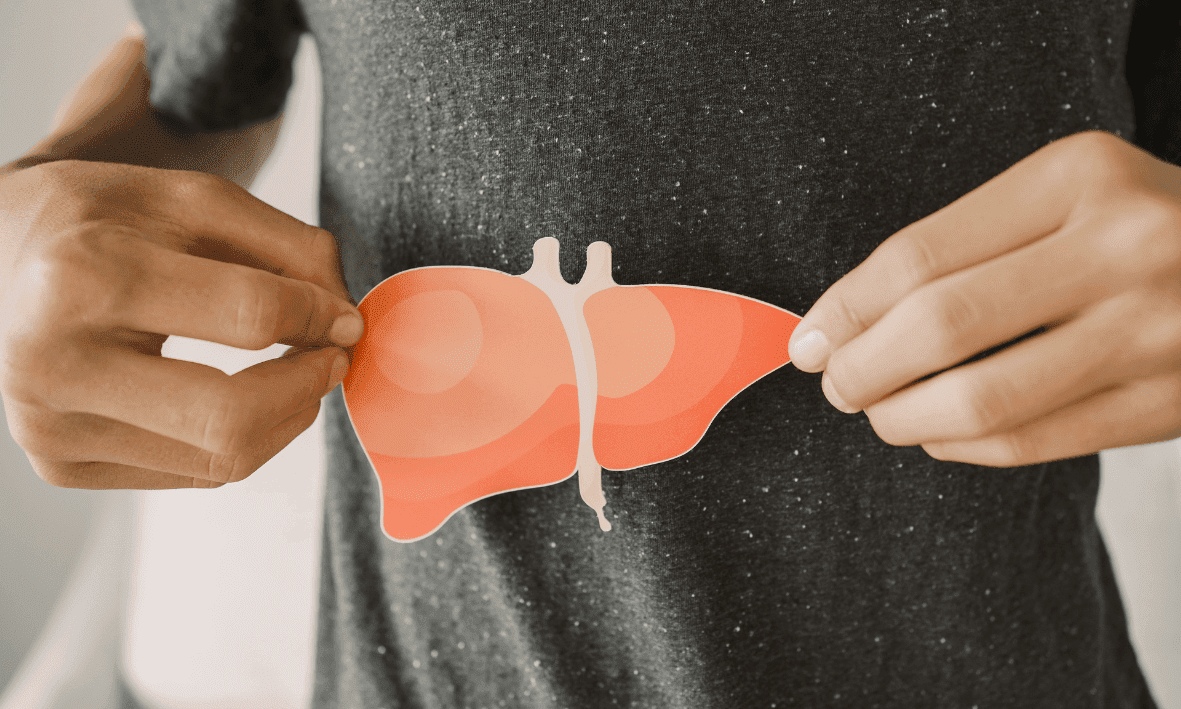
Liver pain can be confusing and frightening, especially if you don't know exactly what's causing it or how to relieve it. In this article, we'll take a closer look at liver pain to shed light on its causes, symptoms, and possible treatment options. The goal is to provide you with guidance on liver health and help you better understand what your body is trying to tell you.
What is liver pain and how does it develop?
Liver pain often appears as a dull, pulling pain in the upper right abdomen. Since the liver itself has no pain receptors, the pain usually comes from the capsule surrounding it or the surrounding organs. Main causes are often fatty liver, caused by unhealthy diet or alcohol consumption, viral hepatitis, liver cirrhosis, and in rare cases, liver cancer. The pain is often accompanied by symptoms such as nausea, fatigue, and in advanced cases, jaundice, which can indicate an advanced strain on the liver.
Important signs and diagnosis of liver problems
Liver pain is just one of many signs of liver disease. Other symptoms include loss of appetite, severe fatigue, sudden weight loss, and a yellowish discoloration of the skin and eyes. To get an accurate diagnosis, medical examinations such as blood tests and imaging procedures are necessary. Blood tests can provide information about certain enzymes and liver values that indicate whether the liver is strained or damaged. Imaging procedures such as ultrasound or MRI help to visualize structures and possible changes in the liver.
First aid for liver pain: What can you do?
If you suffer from liver pain, it is important to rest the liver and choose a healthy diet that is rich in fiber and low in fat and sugar. Alcohol should be avoided in any case, as it additionally strains the liver. In addition to diet, certain home remedies such as milk thistle or artichoke extract can have a supportive effect, as they are considered liver-protective. However, if the pain persists for a longer period, it is advisable to seek medical help, as this could be a sign of a serious illness.
Recognizing and treating liver inflammation

A common cause of liver pain is inflammation of the liver, also called hepatitis. This can be triggered by various factors, including viral infections, excessive alcohol consumption, or a medication overdose. Typical symptoms of liver inflammation include nausea, loss of appetite, and jaundice. Treatment depends on the cause of hepatitis; for viral infections, antiviral medications are used, while for alcohol-related hepatitis, complete abstinence from alcohol and a change in diet are necessary.
Long-term measures to promote liver health
For long-term liver health, a balanced, fiber-rich diet is essential. Fruits, vegetables, and whole grains help the liver filter toxins and process waste products effectively. Regular exercise and a healthy body weight also play an important role, as they can reduce fat accumulation in the liver. It is particularly important to largely avoid alcohol and other harmful substances, as these can permanently burden the liver and limit its ability to regenerate. Regular preventive examinations, especially if there is a genetic or family predisposition, help to detect possible problems early.
Natural and complementary therapy approaches
In addition to conventional medical treatment approaches, natural and complementary therapies can also contribute to supporting liver health. Herbs such as milk thistle, dandelion, and turmeric are known for their liver-protective properties and are often used as a supplement in naturopathy. Dietary supplements containing vitamin E or omega-3 fatty acids can also support liver function. However, it is advisable to seek medical advice before taking such preparations to avoid interactions or side effects.
Myths and facts about liver health
A widespread misconception is that only people who regularly drink alcohol can develop liver problems. In fact, an unhealthy diet and lack of exercise are also significant risk factors. The liver has an amazing ability to regenerate, but only if it is sufficiently relieved. Therefore, it is important to inform yourself from reliable sources and not to rely on unverified information that often circulates on the Internet.
vedi ex: Support for healthy liver function

If you want to specifically support your liver, vedi ex can be a valuable addition. This specially developed capsule contains seven Ayurvedic plant extracts such as milk thistle and turmeric, which are known for their liver-protective properties. vedi ex helps to promote the liver's natural detoxification processes and supports regeneration, so you can strengthen your well-being in the long term. Give your liver the care it needs and experience how Ayurveda and modern science can work hand in hand – for sustainable liver health.