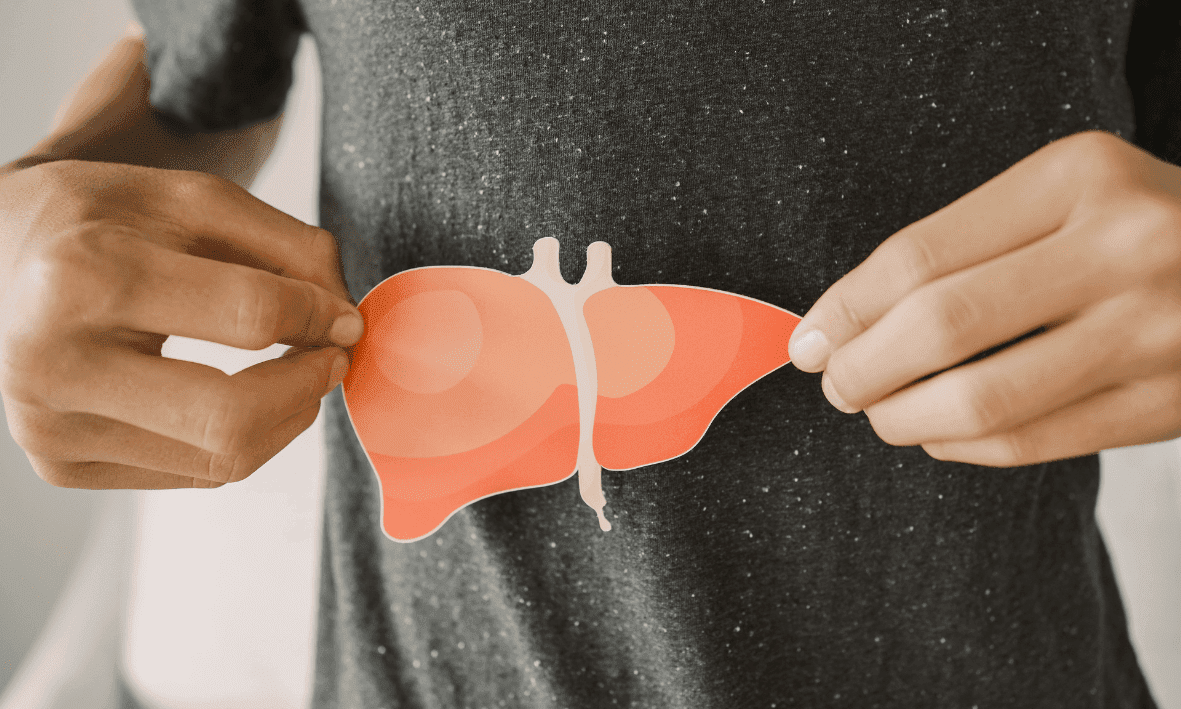




Hot flashes are among the most well-known and often most burdensome symptoms of menopause. Many women experience them as sudden, intense waves of heat, usually accompanied by facial redness and sweating. This physical reaction is caused by hormonal changes, especially a drop in estrogen levels, which affects the body's temperature regulation. The hypothalamus, the "temperature center" in the brain, is influenced by hormonal fluctuations in such a way that it falsely reports heat changes. The body reacts by dilating blood vessels and producing sweat to "cool down." The intensity and frequency of these hot flashes vary greatly and can significantly impact daily life.
Duration and Intensity of Hot Flashes
How long hot flashes last and how intense they are differs from woman to woman. Some women experience them for only a few months, while others struggle with them for several years. The intensity and frequency can be influenced by various factors such as stress, diet, physical activity, and overall health. For example, many women report that stress or alcohol consumption can worsen hot flashes. A useful tool for self-monitoring is a hot flash diary: here, triggers, time, and duration of hot flashes can be noted to identify patterns. This way, each woman can develop individual strategies to better understand and, if necessary, alleviate her symptoms.
Strategies for Relieving Hot Flashes

There are numerous strategies for relieving hot flashes, which can often be implemented in daily life with simple means. Choosing breathable clothing and wearing several light layers are practical tips for reacting flexibly to temperature changes. Many women find relief through cooling accessories such as portable fans, cooling pads, or a small spray bottle of water, which are quickly at hand in everyday life. Regular exercise, especially yoga and light endurance activities, can also help to alleviate symptoms. Studies show that regular physical activity reduces stress, which in turn can act as a trigger for hot flashes. A balanced diet with sufficient fluids and the incorporation of plant-based estrogens like soy into the diet can also be supportive.
Medical and Herbal Treatment Options
In addition to natural approaches, there are also medical treatment options that can be considered if hot flashes severely affect daily life. Hormone replacement therapy (HRT) is one of the most commonly prescribed methods to alleviate hot flashes. It aims to compensate for hormone deficiency with synthetic hormones, thereby reducing symptoms. However, this therapy is not suitable for every woman, as it can also have side effects and is therefore only recommended in consultation with a doctor. Herbal alternatives such as red clover and soy contain phytoestrogens, which are similar to natural estrogen in the body and represent gentler support for many women. Dietary supplements with evening primrose oil or chasteberry have also proven helpful, especially for women who do not want to undergo hormone therapy.
vedi meno: Gentle Support for More Balance During Menopause

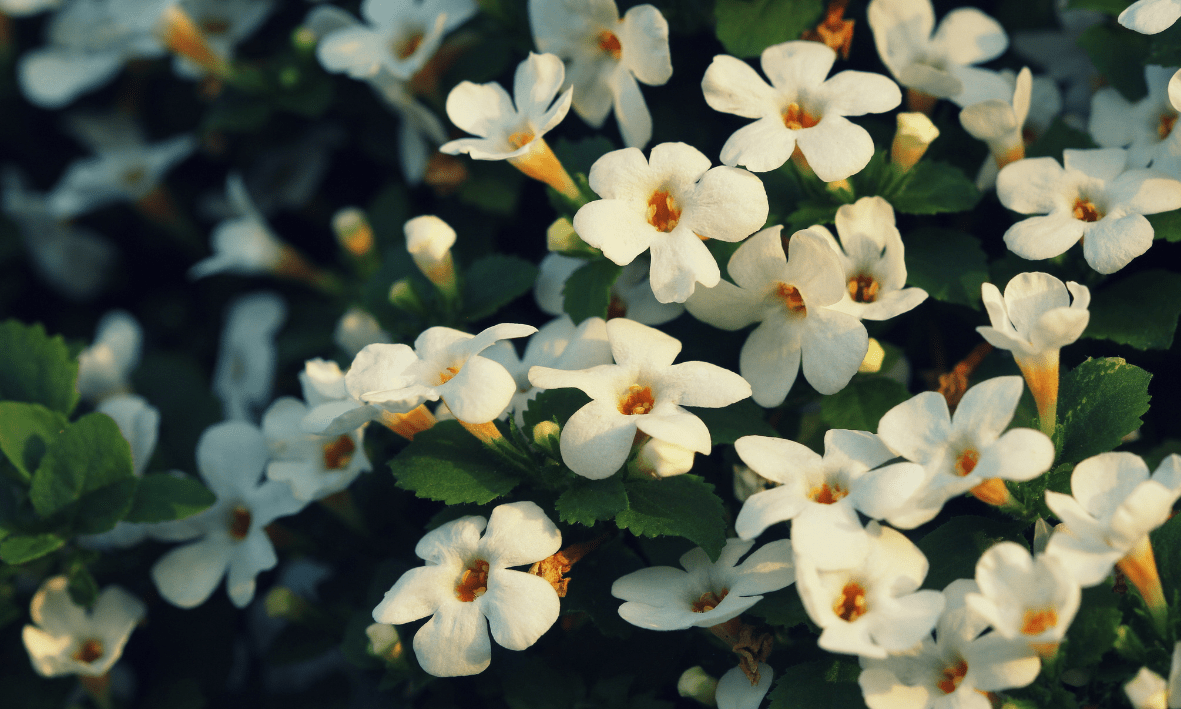
For women who want to naturally alleviate their menopausal symptoms, such as hot flashes, vedi meno offers a valuable supplement. This specially developed capsule combines six selected Ayurvedic plant extracts, including wild yam and chasteberry, which can help gently support hormonal balance. vedi meno aims to counteract typical symptoms such as hot flashes and mood swings and contribute to balanced well-being. This way, you can use the power of nature to feel good during this special phase of life and feel completely supported.
Practical Aids for Everyday Life
There are many aids that can make everyday life with hot flashes easier. Some women use apps to document their symptoms and better understand when and why hot flashes occur. This type of record-keeping can help identify patterns and try new approaches to relief. Cooling gels, peppermint, or lavender oil can also have a soothing effect in everyday life. Some women report that applying these essential oils to the wrists has a cooling and calming effect, which can be particularly helpful during oncoming hot flashes. Such small aids help to cope better with everyday life.
Conclusion
Hot flashes are part of menopause for many women and can be a challenge, but knowing the causes and properly managing the symptoms can significantly reduce the burden. Menopause is a phase of change that every woman experiences differently. However, with a combination of self-care, medical and natural approaches, and emotional support, this time can be managed well. Exchange with other women, the application of proven strategies, and an understanding of one's own body strengthen self-confidence and offer new perspectives on this stage of life. Menopause is an opportunity to rediscover oneself and one's body and emerge stronger.