



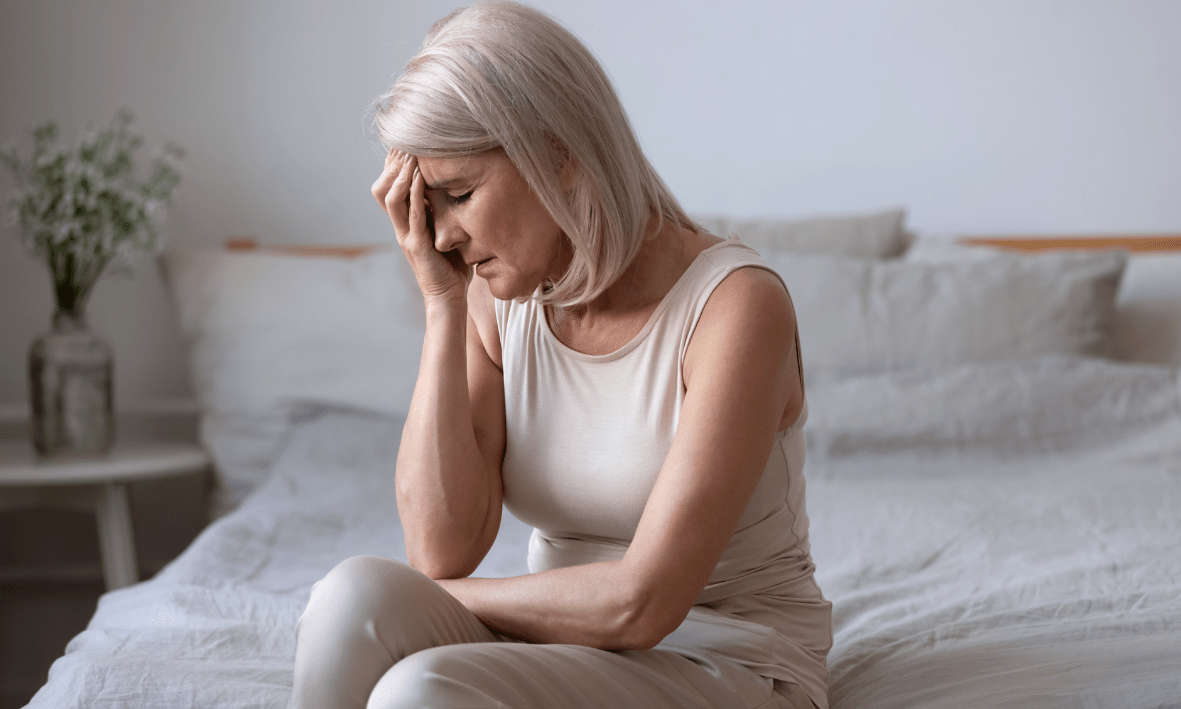
Loss of libido during menopause is a common and often distressing issue for many women. This phase of life brings not only hormonal but also emotional and physical changes that can significantly affect libido. However, a decline in sexual desire is by no means a fate that simply has to be accepted. In this article, we explore the causes of loss of libido during menopause and present various approaches that can help revive sexual desire and improve quality of life.
What is loss of libido during menopause?
Loss of libido refers to the decline in sexual interest or desire. While libido can fluctuate at any stage of life, these changes are particularly common during menopause. The hormonal changes that occur during this time directly affect well-being, energy, and sexual desire. Many women report a sudden or gradual decline in libido, which often also affects their relationship and overall well-being.
The role of hormones: What happens in the body?
During menopause, the production of the female hormones estrogen and progesterone decreases. Estrogen, which is not only important for the menstrual cycle, also plays a crucial role in maintaining vaginal health and sexual pleasure. A drop in estrogen levels can lead to vaginal dryness, which can make sexual activity painful and thus reduce desire. Another important factor is testosterone, which, although primarily known as a male hormone, also plays a role in libido for women. A decrease in testosterone levels can also contribute to a reduction in sexual interest.
Further causes of loss of libido during menopause
In addition to hormonal changes, there are also psychological and emotional factors that can influence libido. Stress, anxiety, and depressive moods are common companions of menopause and have a negative impact on sexual desire. Physical changes, such as weight gain or sleep problems, can also reduce self-confidence and impair the desire for intimacy.
Natural methods to increase libido

There are various natural approaches that can help women during menopause increase their libido. A healthy and balanced diet, rich in vitamins and minerals, can improve overall well-being and indirectly promote sexual desire. Foods rich in vitamin D, B vitamins, zinc, and iron contribute to hormonal balance and energy, which can positively affect libido. Regular exercise and an active lifestyle are also important to promote circulation and boost energy levels.
Hormone replacement therapy: Opportunities and risks
Hormone replacement therapy (HRT) can successfully help many women alleviate menopausal symptoms, including loss of libido. By supplementing estrogen and/or progesterone, symptoms such as vaginal dryness and hormonal fluctuations can be mitigated. However, HRT should be carefully considered and carried out under medical supervision, as it is associated with certain risks, such as an increased risk of breast cancer or cardiovascular disease.
vedi meno: Natural support for balance and well-being

For women who want to naturally improve their quality of life and promote their well-being during menopause, vedi meno offers gentle and effective support. This specially developed capsule contains valuable Ayurvedic plant extracts such as wild yam, chasteberry, and shatavari, which are traditionally known for balancing hormonal fluctuations and promoting inner balance. vedi meno can help gently alleviate typical menopausal symptoms such as loss of libido, mood swings, and inner restlessness – allowing you to feel balanced and well during this phase of your life.
Psychological support and communication in the relationship

Psychological factors often play a central role in the loss of sexual desire. Stress management strategies such as meditation, yoga, and breathing exercises can help improve overall well-being and reduce tension that can negatively affect libido. Open and honest communication with one's partner is also of great importance. Through conversations, misunderstandings and uncertainties can be clarified, which often leads to an improvement in intimacy and sexual connection. In some cases, sex or couples therapy can provide support to strengthen mutual understanding and closeness.
Vitamins and supplements to support libido
Certain vitamins and minerals are particularly important for a healthy libido. Vitamin D, often referred to as the "sunshine vitamin," supports hormone production and overall well-being. A deficiency in vitamin D can negatively affect mood and sexual desire. Zinc and B vitamins also play a central role in hormonal balance and energy production, which in turn can increase sexual desire. In consultation with a doctor, supplements can help compensate for possible deficiencies.
Practical tips for everyday life: More energy and well-being
A healthy lifestyle can make a big difference. Here are some tips that can help women revive sexual desire:
- Regular exercise: Sports like yoga or Pilates not only promote flexibility but also improve circulation and body awareness.
- Relaxation techniques: Practices like meditation and mindfulness help reduce stress and strengthen mental balance.
- Sleep optimization: Healthy sleep is essential for hormonal balance and overall energy.
- Strengthen self-esteem: Seeing one's own body image positively and accepting oneself can strengthen sexual desire.
Conclusion
Loss of libido during menopause can be a challenging experience influenced by a variety of factors. However, there are many ways to regain sexual desire and improve well-being. From natural methods and a healthy lifestyle to medical options and psychological support, women during menopause have numerous tools available. The key is to be open with one's partner and oneself and to find the solutions that work best for them. In this way, this phase of life can not only be managed but also experienced in a fulfilling way.