
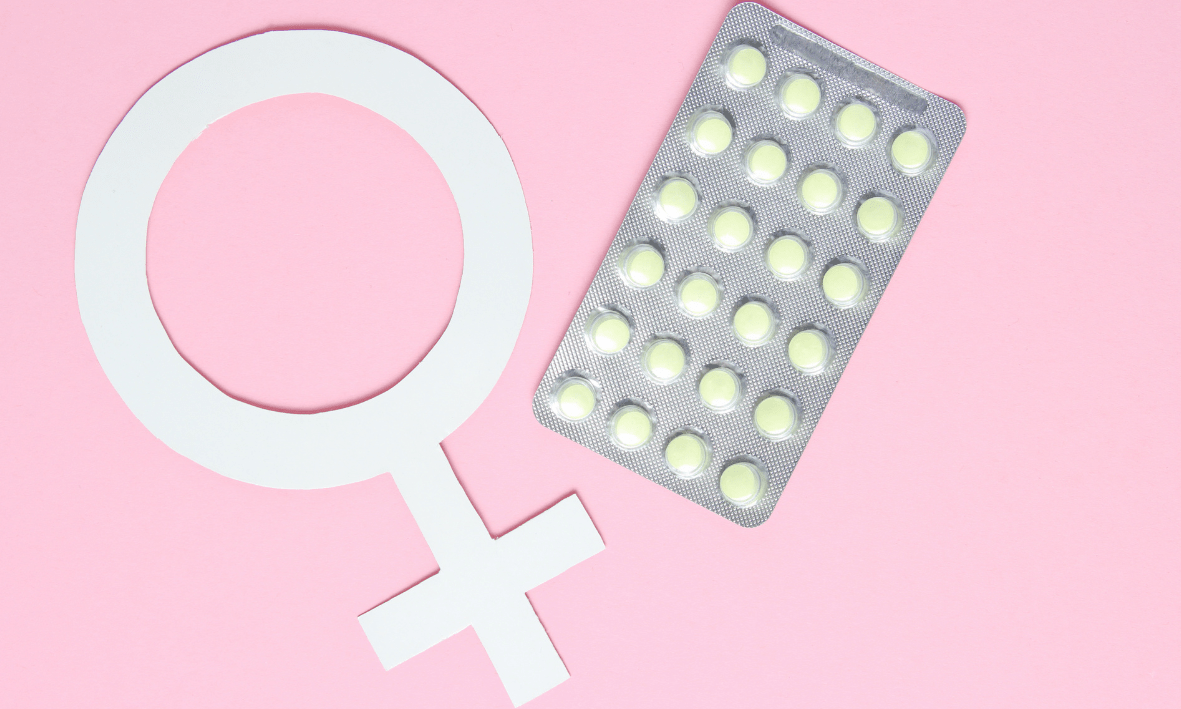
Recognizing and properly treating estrogen deficiency symptoms is a challenge for many women. Hormonal changes are a natural part of every woman's life, especially during menopause, but they can lead to a variety of physical, emotional, and psychological symptoms. Estrogen, the most important female sex hormone, plays a crucial role in many bodily functions. A deficiency can lead to significant health changes that are often difficult to attribute. In this guide, you will learn everything you need to know about the symptoms of estrogen deficiency, its long-term consequences, and available treatment options.
Signs and Symptoms of Estrogen Deficiency: What You Need to Know
Estrogen deficiency most commonly occurs during menopause, but it can also affect younger women, for example, due to stress, certain illnesses, or the use of hormonal contraceptives. Estrogen deficiency manifests in a variety of symptoms that often begin insidiously and intensify over time. The most common symptoms include:
- Hot flashes and night sweats: These sudden, intense feelings of warmth affect many women and often occur without warning. They can last from minutes to half an hour and are particularly disruptive at night, as they significantly impair sleep.
- Sleep disturbances: Sleep problems such as difficulty falling asleep or frequent waking are often due to night sweats and general discomfort, leading to chronic fatigue.
- Mood swings and depressive moods: Estrogen affects not only the body but also emotional well-being. Many women report sudden mood swings, irritability, and even depressive episodes. Anxiety and a reduced sense of well-being can also occur.
- Vaginal dryness and decreased libido: Vaginal dryness, which can cause pain during intercourse, is another symptom. This can lead to infections and inflammation and reduce sexual desire.
- Decreased bone density and joint pain: Estrogen plays an important role in bone metabolism. Its deficiency leads to an accelerated loss of bone mass, increasing the risk of osteoporosis. Joint pain and stiffness are also common.
Long-term Consequences of Estrogen Deficiency
If estrogen deficiency remains untreated for an extended period, it can lead to significant health problems:
Osteoporosis: Since estrogen maintains bone density, its deficiency leads to an increased risk of osteoporosis, a condition in which bones become weaker and more brittle. This increases the risk of fractures, especially in the hip and spine.
Cardiovascular diseases: Estrogen protects the cardiovascular system by maintaining the elasticity of blood vessels and supporting cholesterol breakdown. A deficiency increases the risk of heart disease, strokes, and high blood pressure. Postmenopausal women have a higher risk of heart attacks.
Mental health: Hormonal changes directly affect the brain. Women with estrogen deficiency have an increased risk of anxiety, depression, and cognitive impairments such as memory loss and concentration problems.
Diagnosis of Estrogen Deficiency
The diagnosis of estrogen deficiency is made through a combination of symptom analysis and blood tests that measure hormone levels. Doctors typically check estrogen, progesterone, and FSH (follicle-stimulating hormone) levels to determine if a deficiency exists. In some cases, ultrasound examinations or bone density measurements may be necessary to more precisely assess the effects of hormone deficiency. Early diagnosis is crucial to initiate appropriate treatment.
Treatment Options for Estrogen Deficiency
There are various treatment options to alleviate the symptoms of estrogen deficiency. The choice of treatment depends on individual symptoms, health status, and personal preferences. Common treatment approaches include:
Hormone Replacement Therapy (HRT): This is one of the most effective methods for treating estrogen deficiency. It balances hormone levels and relieves symptoms such as hot flashes and bone loss. However, HRT can also carry risks, such as an increased risk of breast cancer and heart disease, which is why it should always be done under medical supervision.
Natural Estrogens and Phytoestrogens: Plant-based alternatives, such as phytoestrogens found in soy and flaxseed, act similarly to estrogen and can help relieve milder symptoms. However, their effectiveness is often lower than that of hormone replacement therapy.
Lifestyle Changes: A healthy lifestyle with regular exercise, a balanced diet, and abstinence from alcohol and smoking can help alleviate symptoms and reduce the risk of osteoporosis and cardiovascular diseases. Stress management techniques such as yoga and meditation also support emotional well-being.
Natural Support for Estrogen Deficiency: vedi meno as Your Companion

In addition to conventional treatment methods, vedi meno offers a natural way to alleviate the symptoms of estrogen deficiency. With a specially developed blend of Ayurvedic plant extracts such as chaste tree and evening primrose oil, vedi meno supports your well-being and helps you balance hormonal fluctuations during menopause. Treat yourself to this natural support to regain your balance and navigate the challenges of this special phase of life with more serenity.