



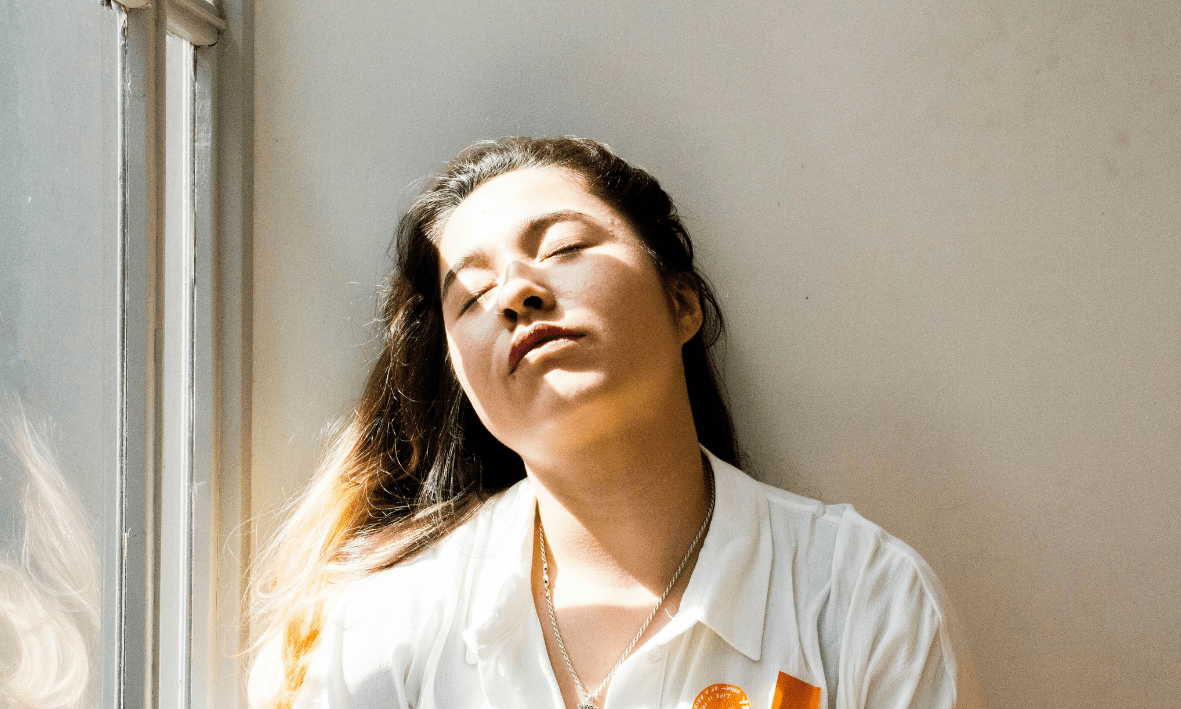
Sleep deprivation is a widespread problem that can have both short-term and long-term consequences for health and well-being. Many people underestimate the importance of sufficient rest, although sleep is one of the most important pillars of our health. This article gives you a comprehensive overview of how to recognize sleep deprivation, what its effects can be, and what you can do to avoid it.
The most common signs and symptoms of sleep deprivation
The symptoms of sleep deprivation can range from subtle to obvious. A common sign is constant fatigue, even after a seemingly sufficient night's rest. Affected individuals feel sluggish during the day and have difficulty concentrating. Physical symptoms such as headaches, irritated eyes, or muscle pain can also occur. On an emotional level, sleep deprivation often manifests as irritability, mood swings, or even depressive moods.

Another warning sign is a decrease in cognitive performance. Memory problems, slowed reaction time, and difficulty with problem-solving can indicate that your brain hasn't had enough time to regenerate during sleep. In the long run, sleep deprivation can weaken immune function and increase susceptibility to infections.
Short- and long-term consequences of sleep deprivation
The effects of sleep deprivation are not only felt in the short term. Acute sleep deprivation can significantly impair performance after just a few nights. Studies show that sleep deprivation can affect reaction time and judgment similarly to alcohol consumption. This increases the risk of accidents on the road or at work.
In the long term, the consequences are even more severe. Chronic sleep deprivation is associated with a number of serious illnesses, including cardiovascular disease, type 2 diabetes, high blood pressure, and obesity. The connection between sleep deprivation and weight gain is particularly interesting: too little sleep disrupts the regulation of hunger and satiety hormones, leading to an increased appetite for calorie-rich foods.
Mental health also suffers from persistent sleep deprivation. People who regularly get too little sleep have a higher risk of depression and anxiety disorders. Sleep is not only important for processing emotions, but also plays a crucial role in stress management. Without sufficient sleep, the body struggles to break down stress hormones like cortisol.
What causes sleep deprivation?
The reasons for sleep deprivation are varied. Common causes include stress, irregular sleep times, and an unhealthy lifestyle. Digital devices used before bed can also play a role, as blue light inhibits the production of the sleep hormone melatonin. Work commitments, night shifts, or a poor sleep environment also contribute.

Some people suffer from sleep disorders such as insomnia, sleep apnea, or restless legs syndrome, which can severely affect sleep. These should be medically evaluated and treated.
Tips to effectively combat sleep deprivation
- Establish a sleep routine: Try to go to bed and wake up at the same time every day – even on weekends. A regular sleep rhythm helps your body develop an internal clock.
- Optimize your sleep environment: Make sure your bedroom is dark, quiet, and comfortably cool. Blackout curtains, earplugs, or a fan can help.
- Avoid digital devices: Reduce screen time at least one hour before bed. Alternatively, you can use blue light filters or focus on relaxing activities like reading or meditation.
- Exercise and nutrition: Regular exercise promotes sleep quality but should not be done immediately before bed. Avoid caffeine, alcohol, and heavy meals in the evening, as they can disrupt sleep.
Relaxation techniques: Breathing exercises, progressive muscle relaxation, or yoga before bed can help reduce stress and calm the mind. - Seek professional help: If sleep problems persist, you should consult a doctor or sleep specialist. A diagnosis and treatment can often quickly provide relief.
vedi dream: Natural support for restful sleep

Sometimes an optimized sleep environment alone isn't enough to get back to restful sleep – this is where vedi dream can help. Our specially developed Ayurvedic formula combines calming herbs that have been used for centuries in traditional healing arts to relax body and mind. Vedi dream helps you to switch off more easily, find inner peace, and stabilize your sleep rhythm. Try it and experience how small rituals with the power of nature can make your nights more relaxed.
The connection between sleep deprivation and burnout
Sleep deprivation and burnout are closely linked. People who are excessively stressed and do not get enough sleep run the risk of falling into a vicious cycle. Constant exhaustion reduces resilience, which can make everyday tasks feel overwhelming. This leads to even more stress and ultimately to a state of emotional and physical exhaustion.
To prevent this, it is important to pay attention to warning signs early on. These include persistent fatigue, a feeling of being overwhelmed, and increasing indifference to obligations. In addition to sufficient sleep, regular breaks and conscious recovery phases are essential to counteract burnout.
Conclusion
Sleep deprivation is a serious problem that can affect many areas of life. The good news, however, is that with a conscious change of habits and targeted optimization of the sleep environment, you can significantly improve your sleep quality. Take the time to identify the causes of your sleep deprivation and actively work towards a solution. Your body and mind will thank you for it.