


When do menopause symptoms start? Many women ask themselves this question when they notice the first physical or emotional changes. Menopause is a natural phase in every woman's life, but its onset and course vary individually. Some women notice the first signs in their early 40s, while others only feel changes in their mid-50s. But when exactly does menopause begin, how can you recognize it, and how can you deal with the changes? In this article, you'll learn everything you need to know.
What is menopause and when does it begin?
Menopause, also known as climacteric, is a phase of hormonal changes in a woman's body. During this time, the production of the female hormones estrogen and progesterone decreases. This process is gradual and can take place over several years.
On average, menopause begins between the ages of 45 and 55, but the first changes can already appear in the mid-30s or early 40s. Menopause – the time of the last menstrual period – usually occurs around the age of 50. After that, the so-called postmenopause begins, in which the hormonal changes are complete.
First signs of menopause
Many women notice the onset of menopause by changes in their menstrual cycle. Periods can become irregular, heavier or lighter, or stop altogether. But it's not just the cycle that changes – the entire body also reacts to the hormonal fluctuations.

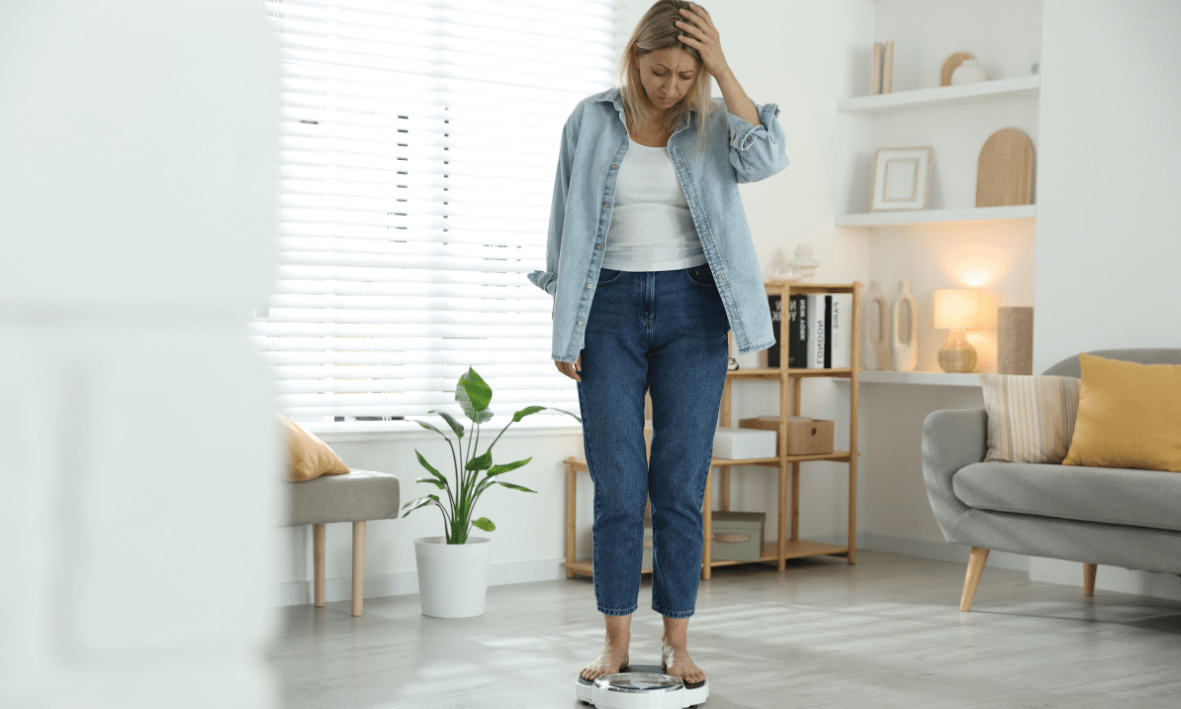
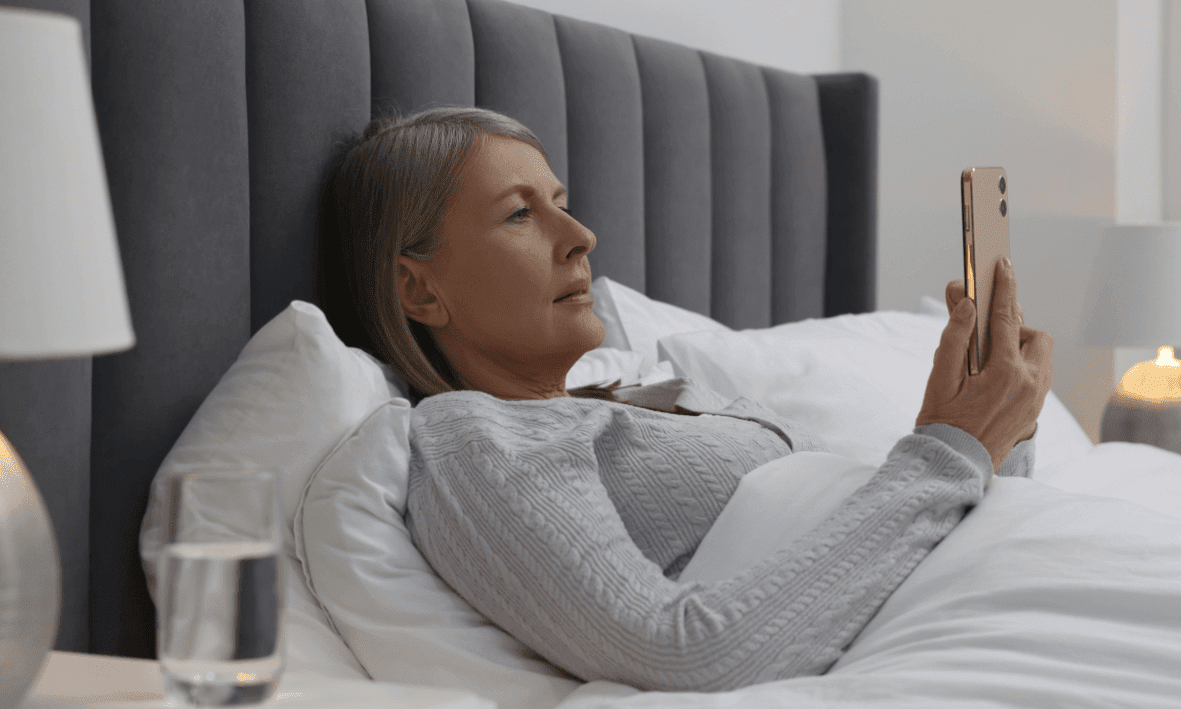
Among the most common first signs are hot flashes and night sweats. These often occur suddenly and can be accompanied by a strong feeling of warmth in the upper body. Sleep disturbances, mood swings, and increased irritability are also common symptoms. Some women also complain of unexplained weight gain or an altered fat distribution, especially in the abdominal area.
How does menopause announce itself?
The transition to menopause is usually a gradual process. First, slight cycle changes occur, which intensify over time. While some women notice only a few symptoms, others can suffer greatly from the hormonal changes.
Particularly noticeable are hormonal fluctuations that can affect the entire body. Decreasing estrogen production not only affects menstruation but also sleep, mood, and metabolism. Many women report concentration problems, increased forgetfulness, or even depressive moods.
Can you already be in menopause at 42?
Yes, it is indeed possible to enter menopause at 42 or even earlier. In such cases, this is referred to as premature or early menopause. Causes can include genetic factors, autoimmune diseases, or certain medical treatments like chemotherapy.
Early menopause can be particularly stressful for affected women, as it often comes unexpectedly and is accompanied by an early loss of fertility. Anyone who is unsure whether they are already in menopause should consult a doctor.
How can you test if you are already in menopause?
There are several ways to find out if menopause has begun. The symptoms themselves are a first indicator – if the cycle becomes irregular and typical complaints such as hot flashes or sleep disturbances occur, this can be a sign of the onset of menopause.
A hormone status test by a doctor can provide additional clarity. The FSH (Follicle-Stimulating Hormone) level in the blood is measured. An elevated value indicates that the ovaries are slowly ceasing their function. Alternatively, women can keep a symptom diary to document changes over several months.
To simplify this process, we have developed a menopause test that helps you quickly and easily find out if your body is already undergoing hormonal changes. This way, you can better understand what is happening in your body – and react to it specifically. Click here to learn more.
Lifestyle and coping with menopause
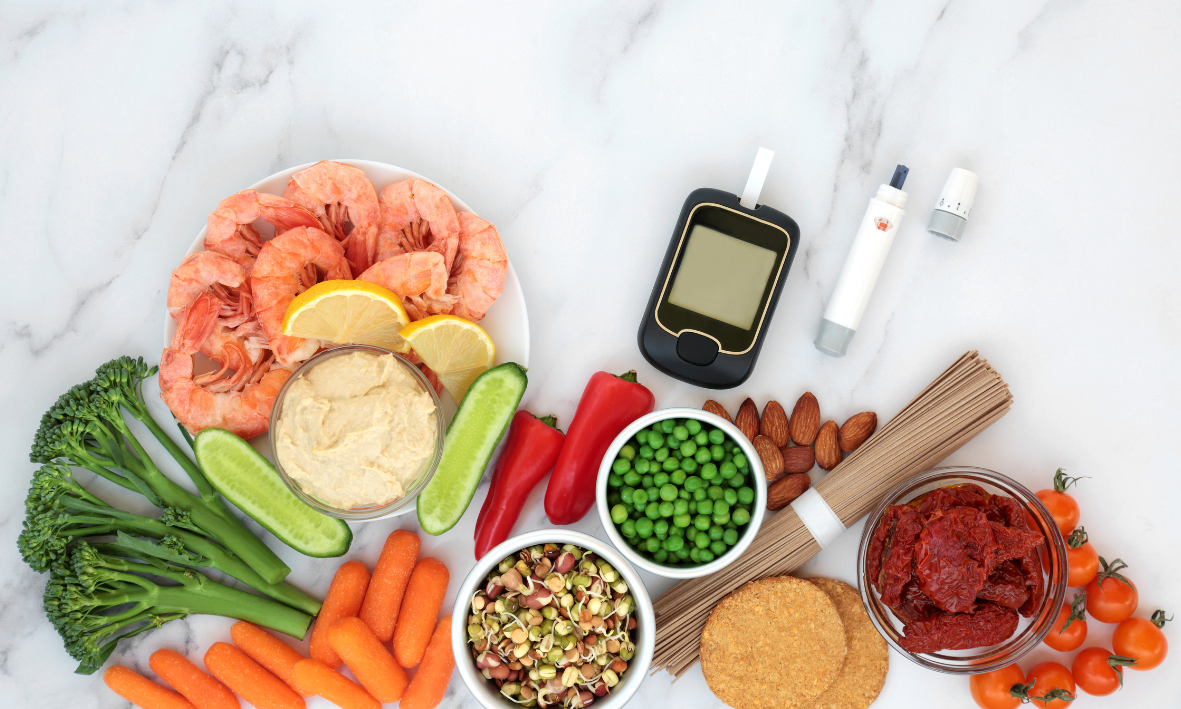
Although menopause is a natural phase of life, the symptoms can be distressing for some women. A healthy lifestyle can help alleviate discomfort. A balanced diet with plenty of vegetables, healthy fats, and proteins supports the body during hormonal changes. Sufficient calcium and vitamin D intake is particularly important to maintain bone health.

Regular exercise not only helps maintain weight but can also improve mood. Sports like yoga, Pilates, or gentle strength training are particularly recommended. Stress reduction through meditation or breathing techniques can also help reduce inner restlessness and sleep problems.
Medical and alternative treatment options
For women suffering from severe menopausal symptoms, hormone replacement therapy (HRT) can be an option. This therapy can help reduce hot flashes and sleep disturbances, but it is not suitable for every woman and should only be considered after consulting a doctor.
There are also numerous alternative treatment methods. Herbal preparations such as chasteberry or soy isoflavones can alleviate mild discomfort. Some women benefit from acupuncture or homeopathic remedies.
Natural support during menopause

Hormonal changes bring many transformations – but there are gentle ways to support the body during this phase. vedi meno was specifically developed for menopause and combines valuable plant extracts such as chasteberry, shatavari, and hop blossoms, which are traditionally used to alleviate typical symptoms. These natural ingredients can help balance hot flashes, sleep disturbances, and mood swings, without artificially interfering with hormone balance.
Many women report feeling more balanced with vedi meno and coping better with the challenges of menopause. For those who want to gently support their body, the power of plants offers natural companionship for this special phase of life.
Conclusion
Menopause is a natural process that unfolds differently for each woman. While some notice hardly any symptoms, others struggle with severe discomfort. A conscious approach to nutrition, exercise, and stress management can help make this phase of life a positive one. If you are unsure whether you are already in menopause, symptoms, tests, and medical advice can provide clarity.
With natural solutions like vedi meno, menopause can be gently supported – for more balance and well-being during this special phase of life.