


Ashwagandha, an Ayurvedic herb, is known for its calming properties that can promote sleep. The benefits of Ashwagandha for sleep include increased resistance to stress, facilitating falling and staying asleep, and improving sleep quality. As an adaptogenic herb, it helps the body adapt to stress and thus has a calming effect on the nervous system. This leads to improved regulation of the sleep-wake cycle and can help those affected integrate natural remedies for sleep disorders into their daily lives.
In traditional use, Ashwagandha is valued as one of the most important herbs in Ayurveda, which is confirmed by current studies investigating Ashwagandha's effectiveness in treating chronic sleep disorders. By better understanding the interactions between Ashwagandha and our sleep, we can benefit from this ancient knowledge and support our sleep health through natural means.
If you are now considering incorporating Ashwagandha roots into your routine, whether by taking Ashwagandha capsules for sleep support or enjoying Ashwagandha tea for better sleep, it is important to know how long it can take for Ashwagandha to take effect. The answer varies, as the effects can be individually different. Initial improvements may be noticeable after a few days, but for the full effect, one should consume the herb for several weeks - naturally, taking into account the recommended Ashwagandha dosage for sleep disorders.
How much Ashwagandha should you take for sleep disorders?
How much Ashwagandha to take for sleep disorders depends on several factors, including individual tolerance and the concentration of the supplement. Generally, an Ashwagandha dosage for sleep disorders of 300 to 500 mg, once or twice daily, is recommended. It is important to start with a low dose and gradually increase it to see how your body reacts. Individualizing the dosage according to need and tolerance means that you should pay attention to your body's signals and adjust the dosage if necessary.
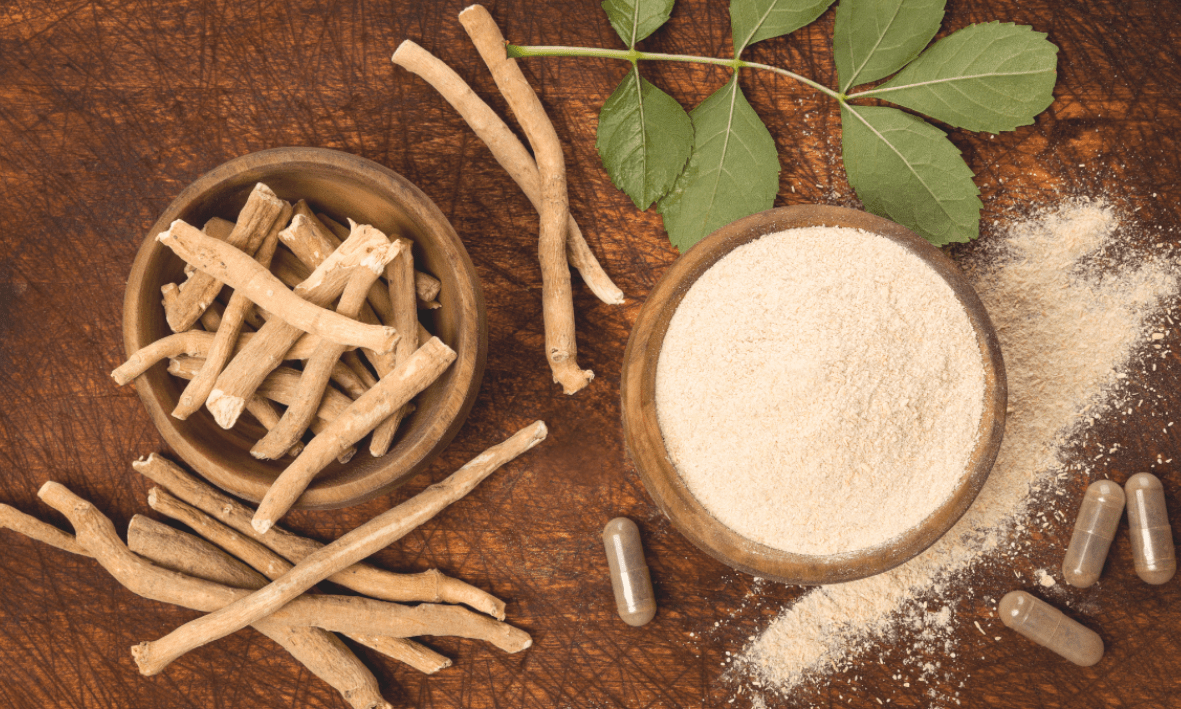
Ashwagandha helps with insomnia through its adaptogenic properties, which reduce stress and improve sleep quality. Ashwagandha capsules for sleep support are a practical form of intake, as they are easy to dose and can be easily integrated into the evening routine. It is also possible to consume Ashwagandha in the form of tea, which can be a calming preparation for sleep.
Although Ashwagandha is generally considered safe for most people, it is advisable to consider possible Ashwagandha side effects with sleep disorders and to consult a doctor if in doubt, especially if you are already taking medication or are pregnant. In Ayurvedic treatment for sleep disorders, Ashwagandha has long been valued, and modern studies support its benefits for restful sleep.
The safe use of Ashwagandha
Who should not take Ashwagandha? Ashwagandha should be used with caution by pregnant or breastfeeding individuals, those with certain autoimmune diseases, or those taking medication for high blood pressure or diabetes. Because the plant has calming properties, it can enhance the effects of other sedatives and should therefore not be used in combination with such medications without consulting a doctor first.
To achieve the optimal effect of Ashwagandha, it is important to choose the right time of intake. Traditionally, it is recommended to take Ashwagandha about 30 minutes before bedtime to benefit from its sleep-promoting effects. However, the exact dosage and the best time can vary individually. It is advisable to start with a lower dose and gradually increase it to minimize possible Ashwagandha side effects with sleep disorders. The most commonly reported side effects are gastrointestinal discomfort, drowsiness, and headaches, especially with excessive use.
In addition to observing interactions with medications, users should also pay attention to signs of possible intolerance. Too high an Ashwagandha dosage for sleep disorders can lead to problems, which is why it is important to listen to your body's signals and, if in doubt, seek medical advice. Those who want to use Ashwagandha long-term should remain vigilant and take breaks if necessary to prevent tolerance development.
Optimizing Ashwagandha for a healthy sleep cycle
To improve your sleep cycle with Ashwagandha, it is helpful to integrate the remedy into your evening routine. Taking Ashwagandha capsules for sleep support can be particularly practical, as it can be easily incorporated into daily life. Some people find that taking it about 30 minutes before bedtime or after dinner shows the best effect. However, exactly how Ashwagandha helps with insomnia varies individually and depends on your body and your specific needs.

It is also worthwhile to combine Ashwagandha with other relaxation-promoting methods. These include, for example, gentle yoga exercises, meditation, or the use of essential oils, which can have a calming effect. The use of Ashwagandha tea for better sleep is also a popular method to calm down and promote sleep quality. Remember that natural remedies like Ashwagandha work best when they are part of a holistic approach to sleep improvement.
Long-term use and the development of tolerance are other aspects that should be kept in mind. While some individuals have good experiences with continuous use, others may need to adjust the dosage or take breaks to achieve the best results. This also prevents Ashwagandha side effects in sleep disorders. In summary, Ashwagandha has the potential to be part of an effective Ayurvedic treatment for sleep disorders. By applying the correct Ashwagandha dosage for sleep disorders and integrating it into a relaxing evening ritual, it can help you sleep peacefully again and wake up refreshed.
FAQ: Ashwagandha for Sleep Disorders
How much Ashwagandha should one take for sleep disorders? This is one of the most frequently asked questions, and the answer is that the Ashwagandha dosage for sleep disorders can vary depending on individual needs. Generally, it is recommended to start with a lower dosage to test tolerance and, if necessary, adjust the amount according to the effect. A daily dose of about 300 to 500 mg of Ashwagandha extract is considered effective and safe, but it is advisable to choose the dosage according to the manufacturer's instructions and/or your healthcare professional. With Ashwagandha capsules for sleep support, which contain a precisely measured amount, dosing is easy to manage.
If you're wondering how Ashwagandha helps with insomnia, it's important to understand that the adaptogenic properties of the plant can help reduce stress levels, which in turn can promote improved sleep quality. However, be aware that Ashwagandha can cause side effects with sleep disorders if taken in high doses or if you are allergic to the plant.
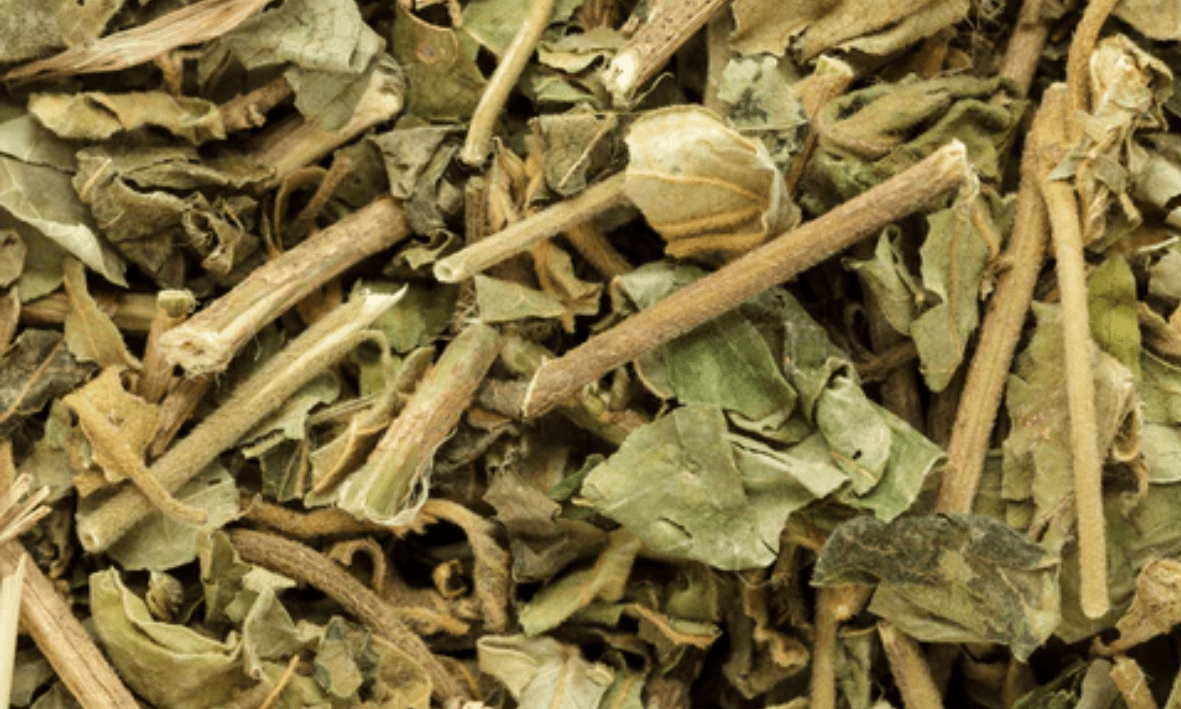
Ayurvedic treatment for sleep disorders often recommends Ashwagandha tea for better sleep, which is a pleasant and effective method of consuming the herb. The Ashwagandha roots are carefully processed to make tea that can improve sleep quality. Benefits of Ashwagandha have also been observed in chronic sleep disorders, as it can help regulate the sleep cycle and thus contribute to more restful sleep. If you consider that sleep is a fundamental part of our health and well-being, then Ashwagandha could offer natural and gentle support to overcome the challenges of sleep disorders. Of course, this should always go hand in hand with a balanced diet and good sleep hygiene to achieve maximum benefit.
Personal Experiences and Case Studies
How Ashwagandha helps with insomnia cannot only be shown in studies, but also in numerous testimonials from people who rely on natural remedies for sleep disorders. Many report improved sleep quality through taking Ashwagandha roots and adjusting their nighttime routine. For example, one person noticed a significant reduction in the time it took to fall asleep and nighttime awakenings after regular intake of Ashwagandha capsules for sleep support.
Another user of Ashwagandha tea for better sleep describes how his sleep cycles have stabilized and he wakes up more rested. While these individual results are subjective, they reflect the versatile benefits of Ashwagandha for sleep, as recognized in Ayurvedic teachings. Ayurvedic treatment for sleep disorders also emphasizes the importance of a holistic approach, in which Ashwagandha supplementation is just one element.
Additional Tips and Resources for Those Affected by Sleep Disorders
Effectively managing sleep disorders often requires more than just a single solution. In addition to taking Ashwagandha capsules for sleep support, good sleep hygiene is essential for improving sleep quality. Recommended practices include maintaining a regular sleep-wake rhythm, avoiding screens before bed, and creating a quiet, dark, and cool sleeping environment. Ashwagandha fits perfectly into this approach: as a natural support, it can help promote sleep and improve sleep quality. However, caution is advised with dosage: the Ashwagandha dosage for sleep disorders should be adjusted individually to avoid side effects and achieve the best results.
In Ayurvedic treatment for sleep disorders, Ashwagandha is traditionally used and offers gentle support as a natural complement to lifestyle adjustments. For initial use, Ashwagandha tea or capsules may be useful, as both forms bring ease to the evening routine and thus can contribute to relaxation before sleep. However, it is advisable to inform yourself in advance about possible Ashwagandha side effects with sleep disorders and to seek medical advice if necessary, especially if you are already taking medication.
A natural reset for body and mind – vedi up

If you're looking for a natural way to support your liver strength and simultaneously utilize the positive effects of Ashwagandha, then vedi up is exactly what you need. Our product combines the power of seven Ayurvedic plant extracts, including Ashwagandha, to support your liver and help you achieve better sleep. With vedi up, you can feel refreshed and revitalized after an enjoyable evening – completely without side effects. Let's discover and enjoy the power of nature together. Visit our webshop to learn more about vedi up and other natural solutions for your well-being.