Vata recipes can greatly support the body's balance. At the heart of Ayurvedic teachings, the Vata dosha plays an essential role in regulating physical and mental well-being. In this article, you will learn how to balance your Vata through appropriate nutrition and lifestyle habits.
Ayurvedic Vata nutrition focuses on balance. Every ingredient, every dish plays an important role in harmonizing Vata energy. With an understanding of how foods affect the body, it is possible to create a Vata-balancing diet. From warm soups to nutritious stews – the art lies in knowing which foods are good for you and which you should avoid.
In the following sections, we will introduce suitable foods and recipe suggestions specifically tailored for Vata types. You will learn which meal rhythms and eating times are recommended for optimal Vata balance. We will also discuss symptoms and treatments for Vata imbalance and provide suggestions for daily routines and practices to calm Vata. Furthermore, we will answer frequently asked questions and provide additional tips and resources for those affected.
Vata Balance Through Nutrition: What Should You Eat?
What should one eat as part of an Ayurvedic Vata diet? The answer lies in nutritious, warming foods rich in ingredients that soothe the Vata Dosha. A balanced Vata diet focuses on sweet, sour, and salty tastes. This includes cooked grains like rice and oats, fresh fruits and vegetables – preferably lightly warmed or steamed – and nourishing oils like ghee and sesame oil. Nuts and seeds provide important fats that also have a calming effect on Vata.

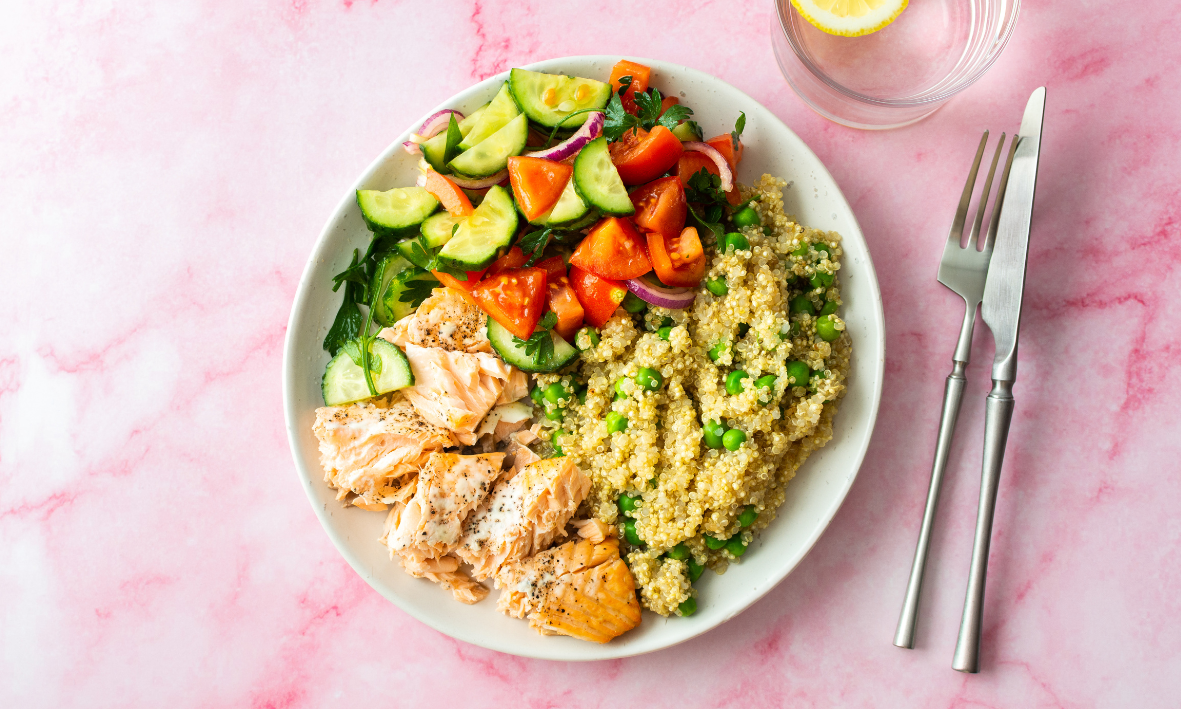
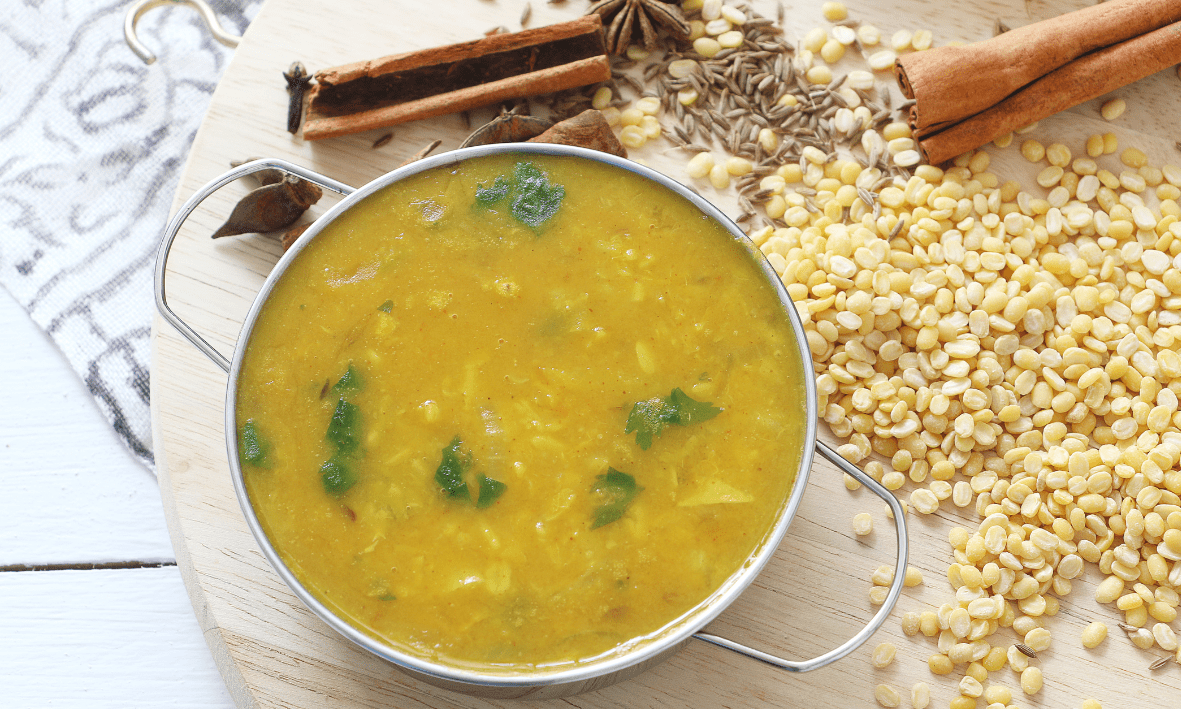
Some Vata-friendly recipes could be warm oatmeal with cinnamon and cardamom for breakfast, a hearty lentil dish for lunch, and steamed vegetables with quinoa in the evening. Such meals nourish and ground, counteracting Vata's airy element.
Foods and Habits That Can Disrupt Vata
To avoid a Vata imbalance, you should avoid certain foods that can increase Vata. These include raw vegetables, cold foods and drinks, and dry foods. Ideal Ayurvedic Vata food is warming, slightly oily, and well-spiced to keep the Vata type in balance.
Irregular meal times and eating meals in a stressed state should be avoided. Instead, it is beneficial to take your time when eating and listen to your body.
How a Vata Imbalance Is Recognized and Treated
A Vata imbalance manifests through symptoms such as restlessness, dry skin, sleep disturbances, and a tendency toward anxiety and stress. To calm Vata, you should focus on Vata-balancing recipes that have warming and grounding properties. Regular meals with Vata-friendly ingredients like sweet potatoes and avocados help bring the Vata dosha into balance.
Natural Routines and Practices to Calm Vata

Daily routines like a warm oil massage with sesame oil before showering, as well as yoga and meditation, can calm Vata. Yoga exercises performed slowly and grounded support Vata balance and promote mental peace.
FAQs on Vata-Balancing Nutrition and Lifestyle
Which recipes are best suited for Vata types?
Vata-friendly recipes contain warming spices and soothing ingredients. Cooked dishes with sweet, sour, and salty tastes are ideal.
What should a Vata type not eat?
Raw vegetables, cold drinks, and crispy, dry foods should be avoided as they can aggravate Vata.
Conclusion and Final Thoughts on Harmonizing the Vata Dosha
A balanced Vata Dosha is crucial for our well-being, and the right nutrition plays a central role. By consuming nourishing, warming, and well-spiced foods, you can bring your Vata into balance. Conscious and regular eating, as well as daily routines like yoga and meditation, contribute to harmonizing Vata and promoting well-being.
Natural Support with vedi ex

In addition to a balanced Vata diet, regular detoxification can also help the body stay in balance. vedi ex is specifically designed to naturally relieve your liver and regenerate the body. The Ayurvedic plant extracts help eliminate toxins and ensure more vitality and well-being. In combination with a Vata-balancing diet, vedi ex optimally supports your body in maintaining a healthy balance.