
A deep understanding of nutrition during menopause is essential for your well-being. This transitional phase is often associated with hormonal changes that your body experiences and can thus affect your physical and emotional health.
Throughout this article, you will not only learn which foods are better to avoid, but also what an ideal diet for this phase of life looks like. You will find suggestions for a balanced dinner and discover the nutritional needs and essential vitamins your body requires now.
Nutrient Requirements and Essential Vitamins for Women in Menopause
Hormonal changes during menopause fundamentally influence micronutrient requirements. Calcium and vitamin D become increasingly important for bone health to prevent osteoporosis. At the same time, a deficiency in B vitamins, especially B6 and B12, can exacerbate mood swings.
Adequate intake of omega-3 fatty acids, found in fatty fish, helps regulate inflammatory processes and can alleviate joint pain. Vitamin E supports skin health and improves dry skin.
Foods to Avoid During Menopause
Avoid highly processed foods, sugary snacks, and excessive alcohol and caffeine consumption. These foods can worsen symptoms such as weight gain or hot flashes. It's better to switch to a fiber-rich diet with whole grains, vegetables, and plant-based proteins.
Ideal Diet During Menopause
A balanced diet rich in fruits, vegetables, whole grains, and healthy fats helps manage hormonal changes. Lean protein like fish or tofu supports muscle mass maintenance, and foods containing natural phytoestrogens, such as soy and flaxseed, can help stabilize hormonal balance.
What to Eat for Dinner During Menopause?

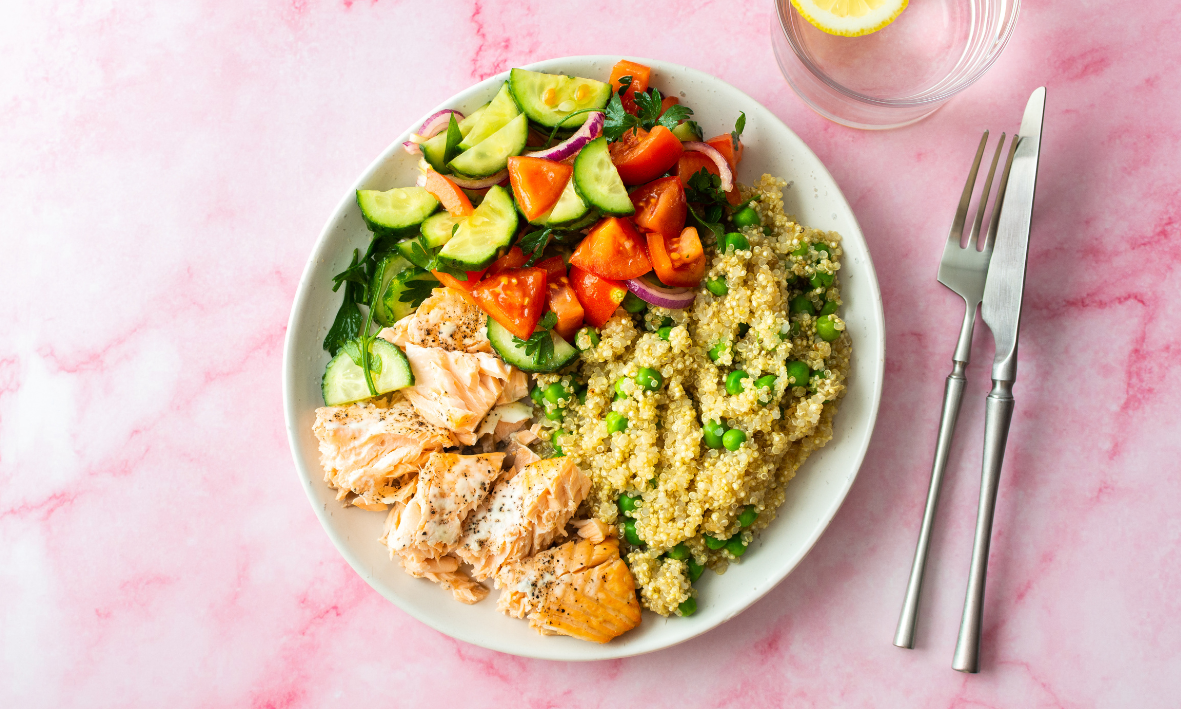
An easily digestible dinner is ideal for not burdening the body and promoting sleep. Salmon, quinoa, and fresh herbs are good ingredients for a nutritious dinner that supports hormone balance. Additionally, natural remedies like flaxseed oil or soy products can alleviate hot flashes.
Practical Tips for Dietary Changes
Classic diets often work differently during menopause than in younger years. Keep a food diary to analyze eating habits and increase your fruit and vegetable intake to about five servings daily. Drink enough water to stimulate metabolism and prevent cravings. Small, regular meals help keep blood sugar levels stable.
FAQ - Frequently Asked Questions About Nutrition During Menopause
- What should you not eat during menopause? Avoid processed foods and sugar to prevent hot flashes and weight gain.
- Which nutrients are important? Calcium, vitamin D, B vitamins, and omega-3 fatty acids are essential to support bone health and hormone balance.
- What should you eat for dinner? Choose easily digestible and nutrient-rich meals like quinoa with vegetables and omega-3-rich foods.
Natural Support with vedi meno
In addition to a balanced diet, targeted support for the body during menopause also plays an important role. vedi meno combines six Ayurvedic plant extracts specifically designed to alleviate hot flashes, mood swings, and other menopausal symptoms. With natural ingredients like wild yam and chasteberry, vedi meno helps stabilize hormonal balance and promote your well-being. Support your body during this special phase of life in a gentle, natural way!