- Vata represents the principle of movement and stands for the elements air and space.
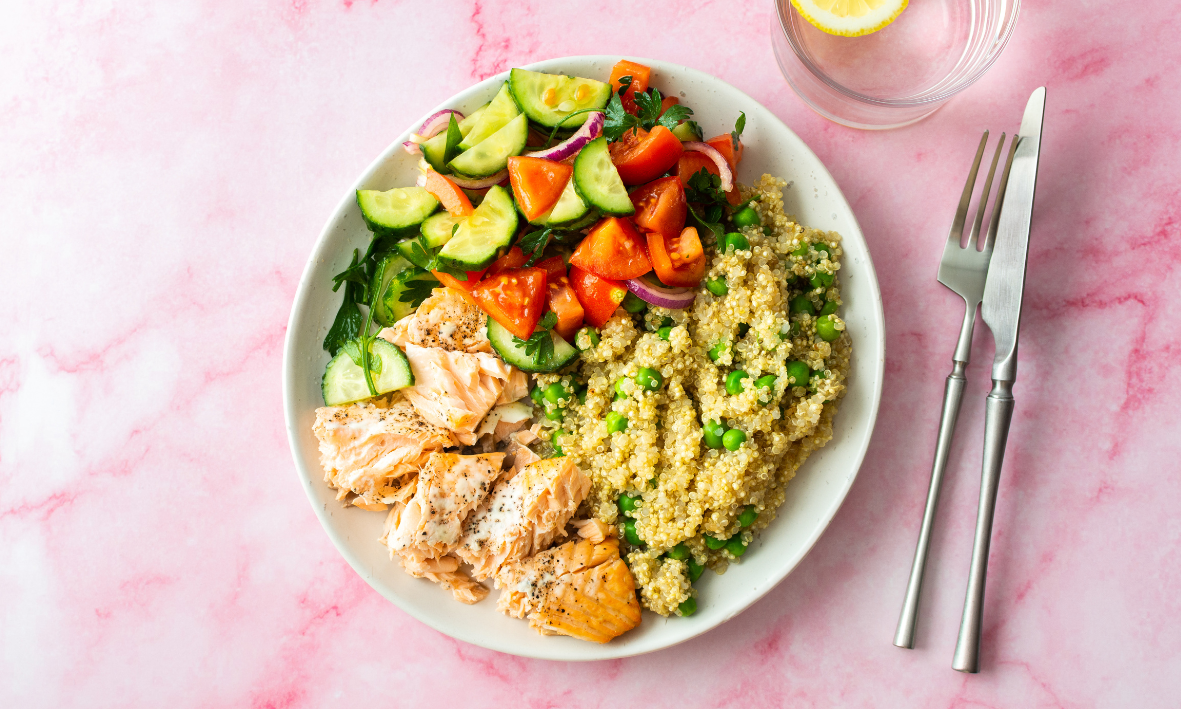
- Pitta stands for transformation and metabolism and is closely associated with the elements fire and water.
- Kapha symbolizes structure, stability, and grounding, represented by earth and water.
These three doshas are present in every person in varying proportions. By discovering your dominant dosha, you can consciously shape your life and take targeted measures to promote your health and well-being.
Determining Your Ayurvedic Type – A Practical Guide
Determining your Ayurvedic type is the first step towards living in harmony with your nature. Each person carries a unique combination of the three doshas, with one or two usually dominating. Here are the most important steps to determine your type:
Analyze physical characteristics:
- Vata types: Slender build, dry skin, often cold hands and feet, prone to digestive issues and sleep problems.
- Pitta types: Medium build, often red or warm skin, intense appetite, strong digestion, prone to inflammation and irritability.
- Kapha types: Stable, strong build, oily skin, slow metabolism, tend to gain weight and be lethargic.
Emotional and mental characteristics
- Vata types: Creative, fast-thinking, but prone to restlessness, anxiety, and nervousness.
- Pitta types: Determined, assertive, but also easily irritable and perfectionistic.
- Kapha types: Patient, calm, caring, but susceptible to attachment and complacency.
Observe behaviors and reactions:
Pay attention to how you react to different environmental influences – for example, stress, diet, or seasons. Vata types are sensitive to cold, Pitta types often have problems with heat, and Kapha types feel uncomfortable in cold, damp weather.
Self-assessment with Ayurveda Dosha tests:
To get an overview, you can take an online Ayurveda test. This will ask you questions about your physical, mental, and emotional characteristics and help you determine your dominant dosha.
The Characteristics of the Vata Type
Vata represents air and space and is responsible for all movements in the body. People with a predominant Vata dosha are often creative, enthusiastic, and flexible, but can also be restless and anxious, especially when out of balance.
Physical Characteristics
- Slender to underweight build, often very active.
- Dry skin, brittle hair, cold hands and feet.
- Tendency to digestive problems like bloating and constipation.
Emotional Characteristics
- Very creative and imaginative, but can also be scattered.
- Prone to anxiety, insomnia, and nervousness.
Nutrition tips for Vata:
Vata types should focus on warm, nourishing foods to balance their dry and cold nature. Cooked dishes with healthy fats (like ghee and sesame oil) and warming spices like ginger and cinnamon help to balance Vata. Avoid too much raw food, cold dishes, and carbonated drinks, as these can further increase Vata.

Lifestyle tips:
- Regular daily routines are crucial to calm Vata. Avoid too much unrest and stress.
- Yoga and meditation can help calm the nervous system.
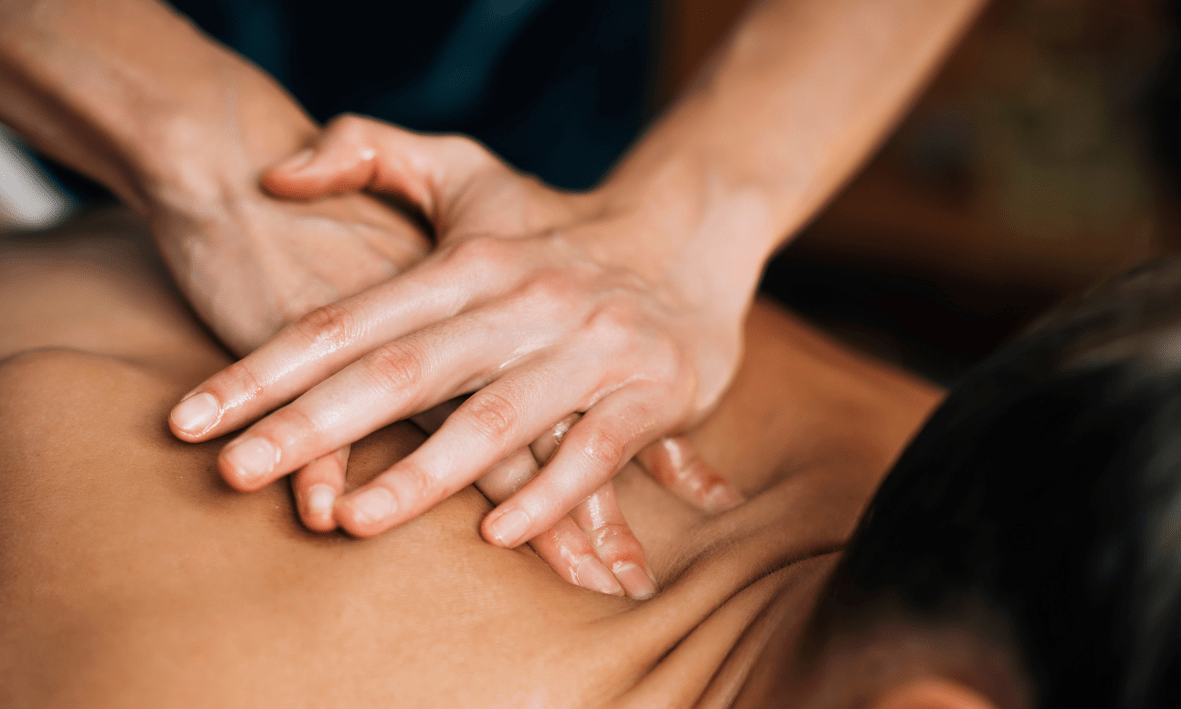
- Weekly warm oil massages (Abhyanga) are ideal for keeping Vata in balance.
The Characteristics of the Pitta Type
Pitta, consisting of the elements fire and water, stands for metabolism, digestion, and energy. People with a predominant Pitta dosha are often ambitious, determined, and have a strong ability to concentrate. However, when out of balance, they tend to irritability, anger, and heat-related complaints.
Physical Characteristics
- Medium build, often muscular.
- Tend to have reddish skin and freckles.
- Strong appetite and thirst, fast digestion.
Emotional Characteristics
- Goal-oriented, determined, assertive.
- Can easily become frustrated or irritable.
Nutrition tips for Pitta:
Pitta types should prefer cooling foods such as fresh vegetables, fruits, and dairy products. Spicy, sour, and fried foods, as well as alcohol and caffeine, should be avoided, as they can fuel the internal fire. Pitta types benefit from regular meals and sufficient fluids.
Lifestyle tips:
- Cooling activities like swimming or walks in nature help balance Pitta.
- Be careful not to overexert yourself and avoid too much stress.
- Relaxing yoga exercises and meditation can soothe the fiery temperament.
The Characteristics of the Kapha Type
Kapha, represented by earth and water, stands for stability, endurance, and strength. People with a dominant Kapha dosha are often calm, serene, and loving, but they can also tend to sluggishness, listlessness, and overweight when out of balance.
Physical Characteristics:
- Strong, stable build, often weight gain.
- Oily skin, thick hair, slow metabolism.
Emotional Characteristics:
- Patient, compassionate, loving.
- When out of balance, they tend to laziness and attachment.
Nutrition tips for Kapha:
Kapha types should eat light, dry, and warming foods to stimulate their slow metabolism. Avoid heavy, oily, or sweet foods that further increase Kapha. Pungent spices like pepper and ginger are ideal for boosting metabolism.
Lifestyle tips:
- Active movement is essential for Kapha types. Sports activities like jogging or aerobics get them moving.
- Start the day early and stick to regular, light meals.
- Avoid too much sleep and take short activity breaks during the day to stimulate circulation.
The Vata-Pitta Type and its Special Features
People with a Vata-Pitta constitution combine the characteristics of both doshas. These people are often dynamic, creative, and full of energy, but they have a tendency towards inner restlessness and overheating.
- Diet and Lifestyle: The right balance between warming and cooling nutrition is crucial to keep both doshas in balance. Regular meals and meditation help stabilize the nervous energy of Vata and the fire of Pitta.
Implementing Ayurveda in Daily Life – Practical Tips

To successfully integrate Ayurveda into your daily life, you should align your lifestyle with your Ayurvedic type. Here are some practical tips:
- Nutrition: Choose foods that match your dosha. Vata types should prefer warming foods, Pitta types cooling foods, and Kapha types light meals.
- Regular Routines: A daily routine based on your dosha is essential. Get up early, exercise regularly, and eat at fixed times.
- Abhyanga (Oil Massage): Daily oil massages with the appropriate oils for your dosha type soothe the nervous system and promote health.
Support Your Ayurvedic Type with vedi ex

In addition to proper nutrition and a balanced lifestyle, internal cleansing also plays an important role in Ayurveda. Vedi ex was specially developed to naturally relieve your liver and detoxify the body. Whether you are a Vata, Pitta, or Kapha type – by using vedi ex, you promote your overall well-being and help your body stay in balance.