
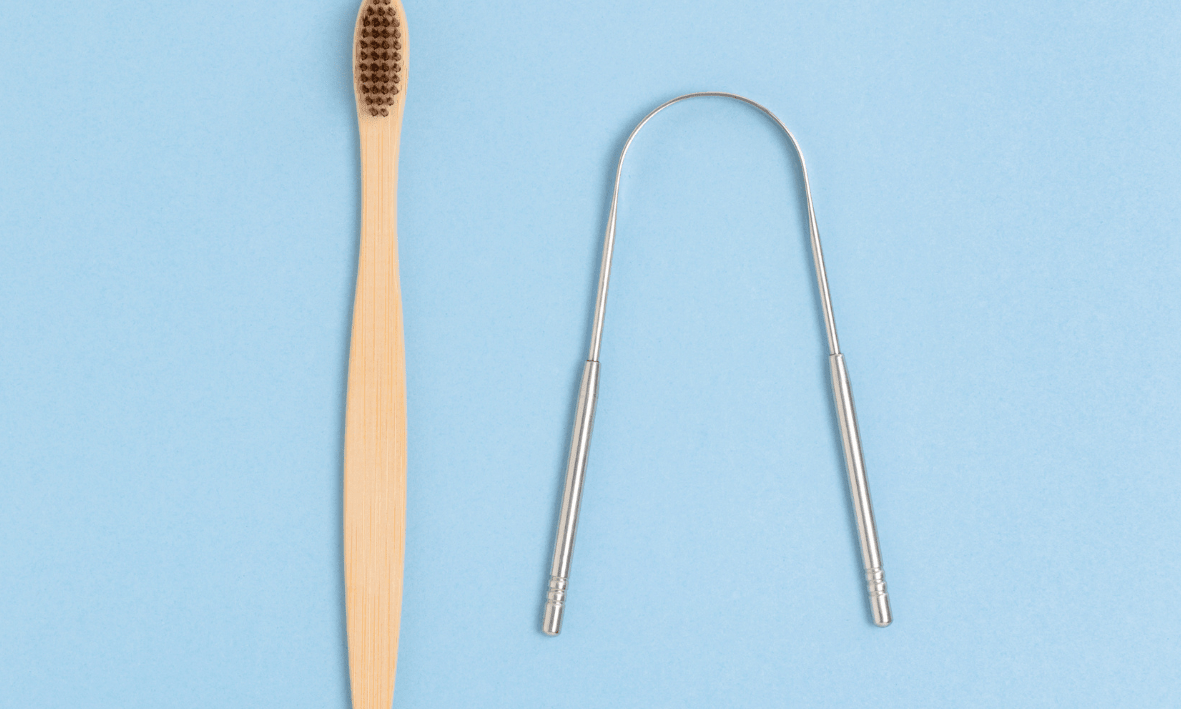
Tongue cleaning is a central element of Ayurvedic oral hygiene, which not only ensures fresh breath but also supports overall well-being. Although this ritual has been practiced for millennia, it is gaining increasing popularity in the modern world. But why is tongue cleaning so important in Ayurveda? What benefits does it offer, and how is it performed correctly?
Origin and Significance of Tongue Cleaning in Ayurveda

Tongue cleaning, also known as "Jihwa Prakshalana," is an integral part of the Ayurvedic morning routine. Already in ancient Ayurvedic texts like the "Charaka Samhita," one of the most important works of Ayurveda, tongue cleaning is described as essential for health. Overnight, toxins accumulate on the tongue, which the body eliminates through its natural excretion processes. These deposits, called "Ama," are considered potentially harmful in Ayurveda and should be removed daily.
Health Benefits of Tongue Scraping
Tongue cleaning offers numerous health benefits:
- Elimination of Toxins: Scraping the tongue removes harmful bacteria and toxins that have accumulated overnight. This contributes to the detoxification of the body and promotes the health of the digestive system.
- Fresh Breath: A large portion of the bacteria that cause bad breath are located on the tongue. Regular scraping reduces these bacteria and ensures fresh breath.
- Improved Sense of Taste: Deposits on the tongue can block taste buds. A clean tongue provides a more intense taste experience.
- Strengthening the Immune System: By removing bacteria and toxins, the immune system is relieved and strengthened.
- Promotion of Oral Hygiene: Tongue cleaning helps maintain a balanced oral flora and can prevent cavities, gum inflammation, and other oral diseases.
How Tongue Cleaning Works
Tongue cleaning is easy to perform and should ideally be done in the morning after waking up. Here's a step-by-step guide:
Preparing the Tongue Scraper: Use a tongue scraper made of copper or stainless steel, as these metals are valued in Ayurveda for their antimicrobial properties.
Scraping the Tongue: Stand in front of a mirror and stick out your tongue. Place the tongue scraper at the back of your tongue and pull it forward with light pressure to the tip of your tongue. Repeat this process 4-5 times.
Cleaning the Scraper: Rinse the scraper thoroughly after each pass to remove the dislodged deposits.
Rinsing the Mouth: After scraping, you can rinse your mouth with warm water.
Tongue Cleaners: Materials and Recommendations
In Ayurveda, it is recommended to use metal tongue scrapers, as they are durable, hygienic, and effective. Here are some options:
Copper: Copper has natural antimicrobial properties and is traditionally used in Ayurveda to combat bacteria.
Stainless Steel: A more affordable, yet effective alternative to copper.
Avoid Plastic: Plastic scrapers are less hygienic and do not offer antimicrobial protection.
Conclusion
Tongue cleaning is a simple and effective ritual that not only improves oral hygiene but also promotes overall well-being. Regular tongue cleaning frees the body from harmful toxins, strengthens the immune system, and ensures fresh breath. In combination with other Ayurvedic practices, such as oil pulling, tongue cleaning can contribute to a holistic feeling of health and balance.
Natural Support for Your Daily Cleansing: vedi ex as a Companion

In addition to tongue cleaning as part of Ayurvedic oral hygiene, vedi ex can also support your body in daily detoxification. With a selected combination of Ayurvedic plant extracts, vedi ex promotes natural cleansing and helps you eliminate harmful toxins. Together with tongue cleaning and other Ayurvedic rituals, you can thus holistically strengthen your well-being and gently relieve your body.